CITY GUIDE
Composite ticket (~₹600 Indian/₹1500 foreign for 2 days) covers Amber, City Palace, Jantar Mantar, Hawa Mahal, Nahargarh and more — cheaper than buying each separately if you're hitting 4+ sites.
Gem/jewelry 'one day sale' and commission-shop detours are the most organized tourist scam network in India; avoidable if you never let a driver or guide choose your shopping stops.
Old walled city is dense and walkable but chaotic; newer areas like C-Scheme and Malviya Nagar need autos or cabs.
Chokhi Dhani and Jal Mahal viewpoint are easy family stops; skip Amber elephant rides on animal-welfare grounds and heat exposure for young kids.
Forts (Amber, Nahargarh, Jaigarh) have almost no shade; April-June visits require early starts (before 9am) or late afternoon (after 4pm) only.
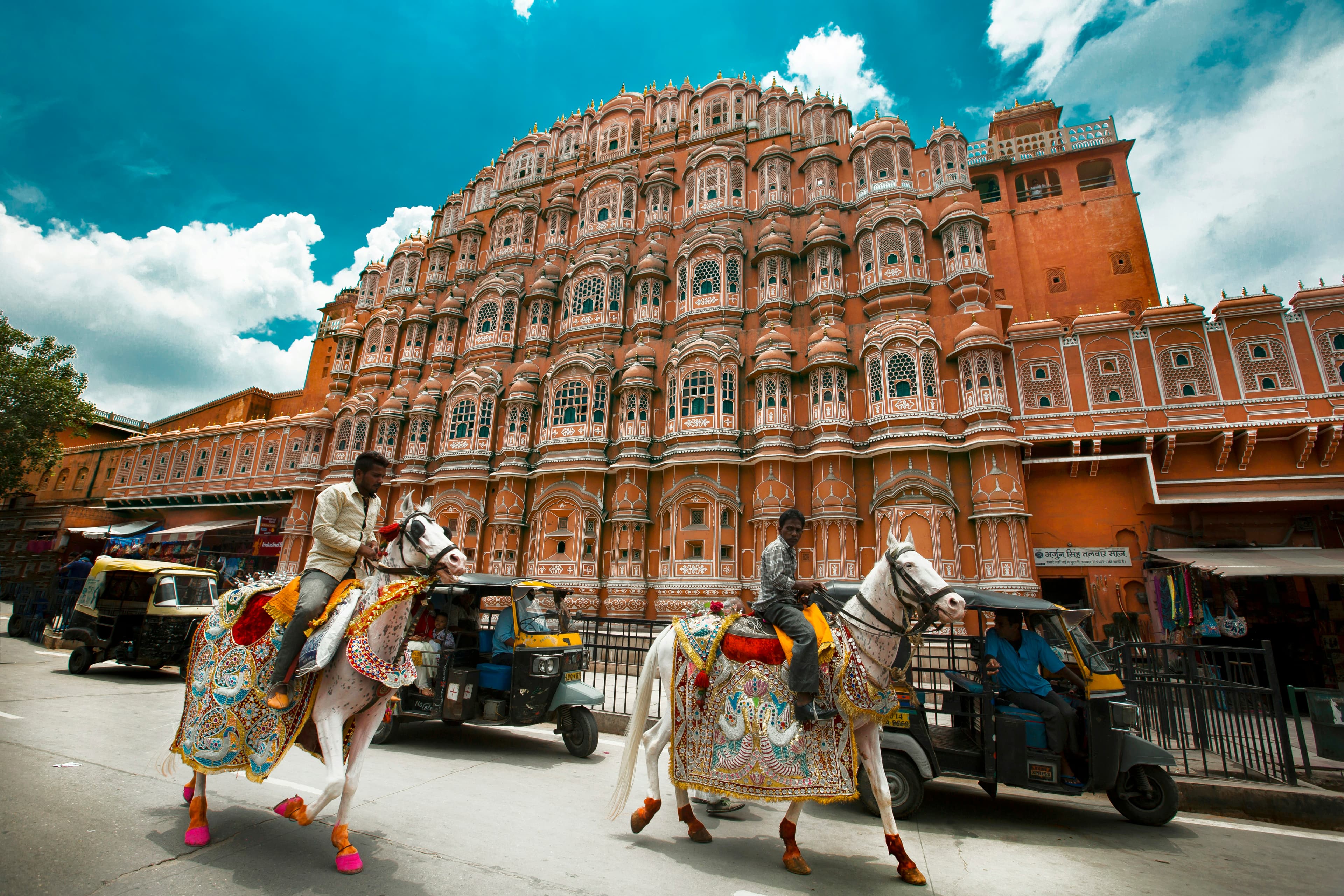
Patrika Gate, Hawa Mahal facade at sunrise, and Nahargarh's sunset city view are consistently the most-photographed frames in Rajasthan.
The terracotta-painted walled city holding City Palace, Hawa Mahal, Jantar Mantar and the bazaars (Johari, Bapu, Tripolia). Loud, crowded, and unavoidable — most first-time visitors base here or nearby for walking access, but noise and traffic make nights less restful than C-Scheme.
Leafy, planned grid just south of the old city with Jaipur's best concentration of cafes, boutique hotels, and restaurants (Bar Palladio, Anokhi Cafe). Best base for travelers who want walkable comfort without staying inside the walled city's noise.
Quiet residential pocket northwest of the old city packed with converted-haveli budget and mid-range guesthouses; close enough to the Pink City (15-20 min auto) to be practical, far enough to sleep well.
South Jaipur's newer commercial belt near the airport with malls (World Trade Park), chain hotels, and better traffic flow — convenient for late arrivals/early flights but a 30-40 min haul from the monuments.
 WORTH IT
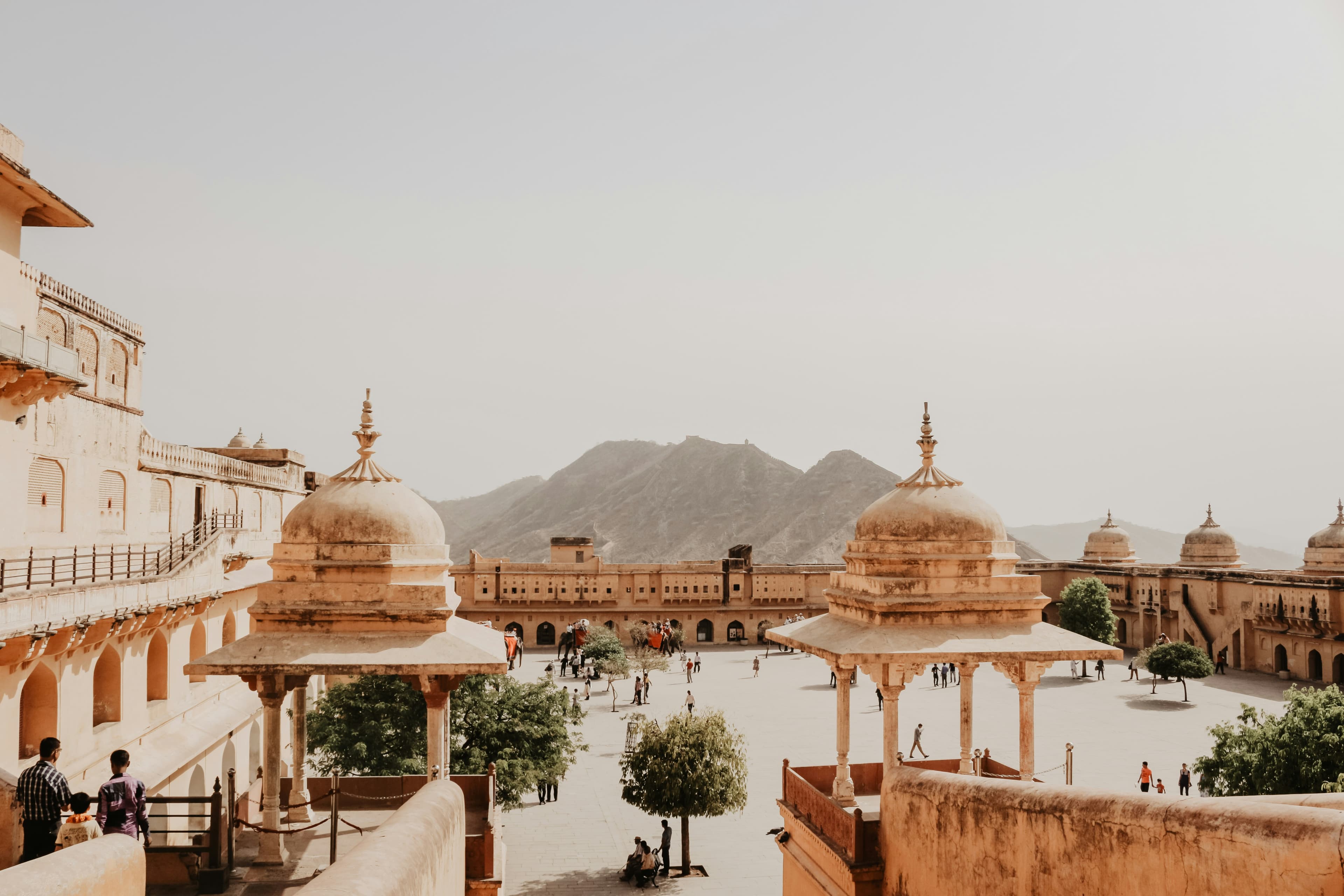
Skip the elephant ride up the ramp — PETA and multiple welfare surveys have documented overloaded, foot-injured, heat-stressed elephants here; walk up or take the jeep instead. Unofficial 'guides' cluster at the entrance claiming to be government-licensed; only trust the ID-badged guides from the official counter inside.
WORTH ITPhotography inside some inner courtyards (Pritam Niwas Chowk with its four painted doors) requires a separate camera fee — check the ticket window rather than assume your phone photos are free everywhere.
WORTH ITThe famous facade is best photographed from the rooftop cafe across the street (buy a chai, ~₹100, for the view) rather than fighting street-level crowds; interior is a warren of narrow stairs, not much to see once inside.
 WORTH IT
Hire the on-site guide (~₹200-300, negotiate) — the sundials and instruments are meaningless without an explanation of how they work; without one most visitors walk through in 15 minutes and miss the point entirely.
WORTH ITThe real reason to come is the sunset city view from the ramparts and Padao restaurant terrace — arrive by 5pm to claim a rail spot before tour buses fill it. Little shade, so midday visits in summer are miserable.
SITUATIONALHome to Jaivana, the world's largest wheeled cannon — worth it if you're already at Amber (6 km away, easy combine), but skip as a standalone trip; less crowded than Amber which is its main appeal.
WORTH ITThe building itself (Indo-Saracenic, lit up gold at night) is the real draw — the Egyptian mummy in the basement gets more attention than the actual textile and miniature-painting collections, which are the museum's real strength.
WORTH ITYou cannot go inside — it's a photo stop only. Vendors along the lakeside road push camel/horse cart rides and 'boat tour' offers; there's no legitimate boat tour to the palace itself, it's a scam pitch.
 SITUATIONAL
It's a manufactured 'village experience' theme park, not an actual village — fine for families or first-time-in-India travelers wanting a packaged folk-culture evening, but reviews consistently flag flooding within 30 min of any rain and overpriced food add-ons beyond the base thali.
WORTH ITJaipur's jewelry and gem hub — genuine trade exists here, but so does the 'one day sale' scam network. Never buy 'investment' gemstones pitched as resellable abroad; if a shopkeeper claims a special same-day discount because you were 'brought by a friend,' walk out.
WORTH ITBest for textiles, juttis (leather shoes), and mojari — bargain hard, opening asks are routinely 3x the sale price for tourists specifically.
SITUATIONALKnown for lac bangles and metal utensils; mostly a local shopping street rather than a curated tourist experience — worth a walk-through if you're already between City Palace and Hawa Mahal, not a special trip.
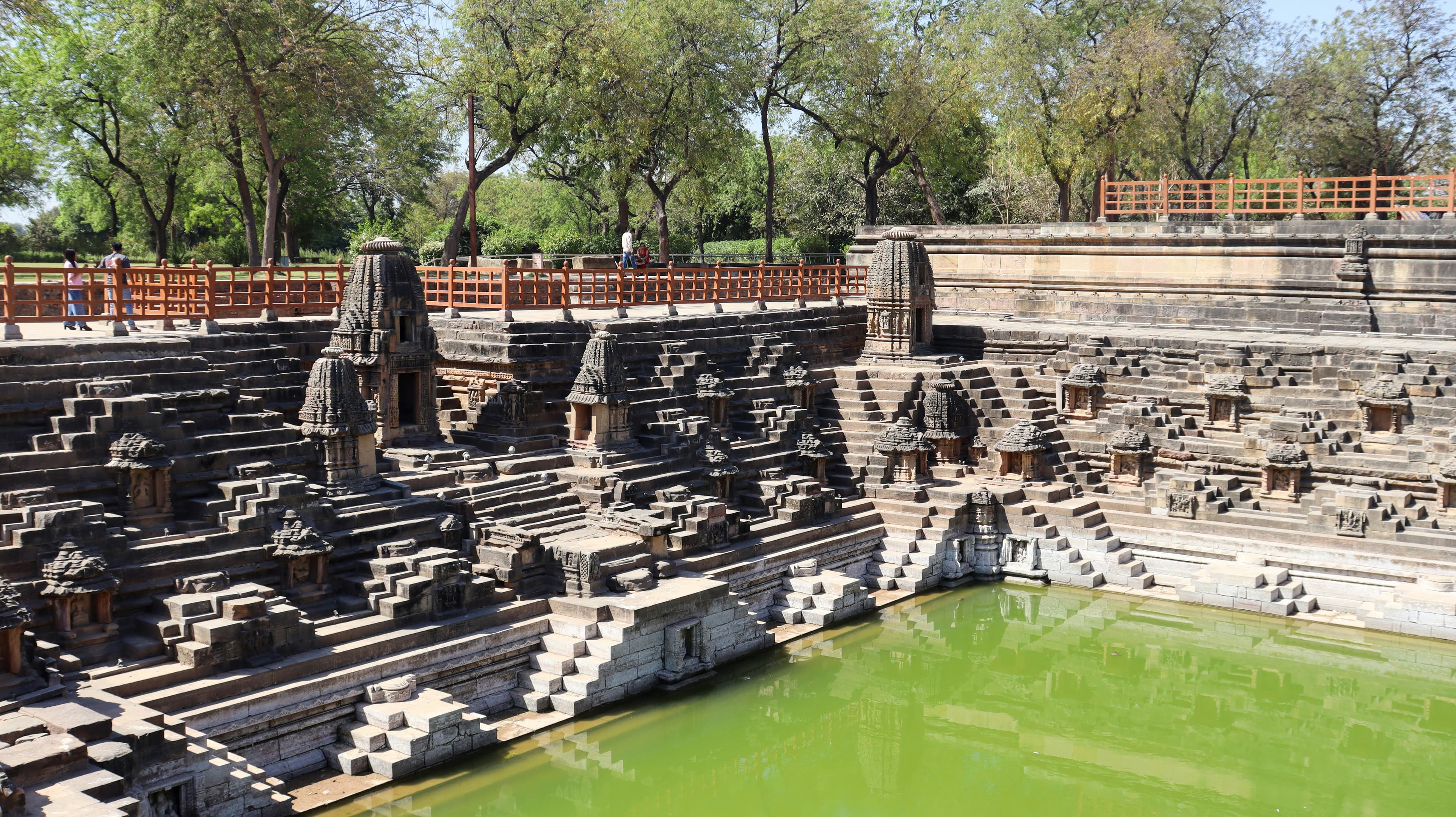 WORTH IT
Symmetrical stepwell near Amber that photographs beautifully in early morning light with no crowds by 7:30am; by 10am it fills with Instagram tour groups queuing for the same three angles.
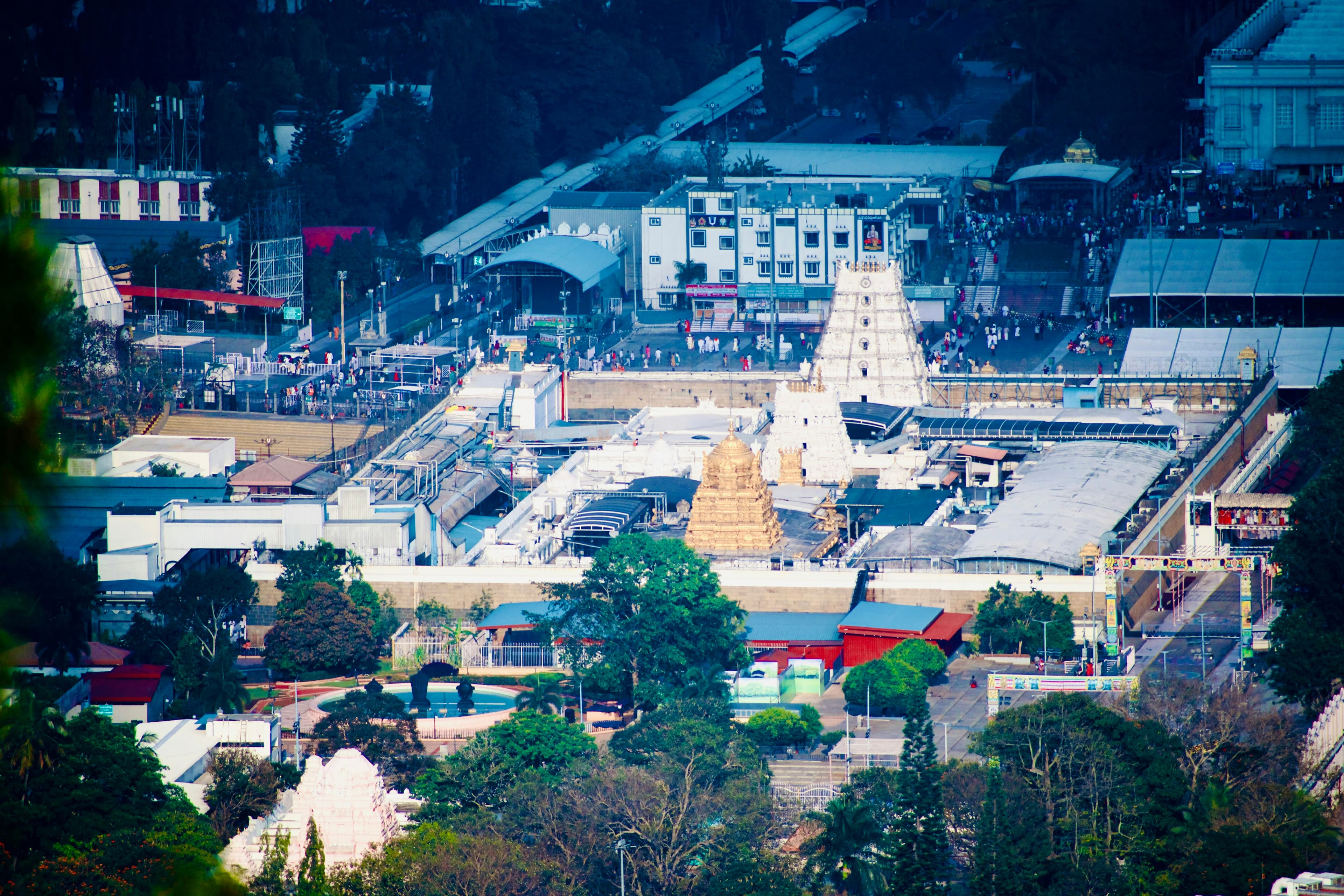 SITUATIONAL
Self-appointed 'monkey masters' and saffron-robed 'priests' will offer unsolicited protection or blessings (red-yellow thread, forehead tilak) then demand ₹500-1000 — a fair donation is ₹20-50 if you want one at all, and you can decline entirely. Worth visiting for the temple tanks and views, but go in with zero cash out until you've decided who deserves it.
SKIPOverpriced relative to the wax quality compared to international wax museums; the Sheesh Mahal mirror-work room it's bundled with is the only part worth the ticket, and you can see better mirror work for free at City Palace and Amber.
SITUATIONALWhite marble temple, calm and free — fine as a sunset stop if you're nearby, but not distinct enough from other Birla temples across India to justify a special trip. Phones/cameras must be left at the counter (small deposit locker).
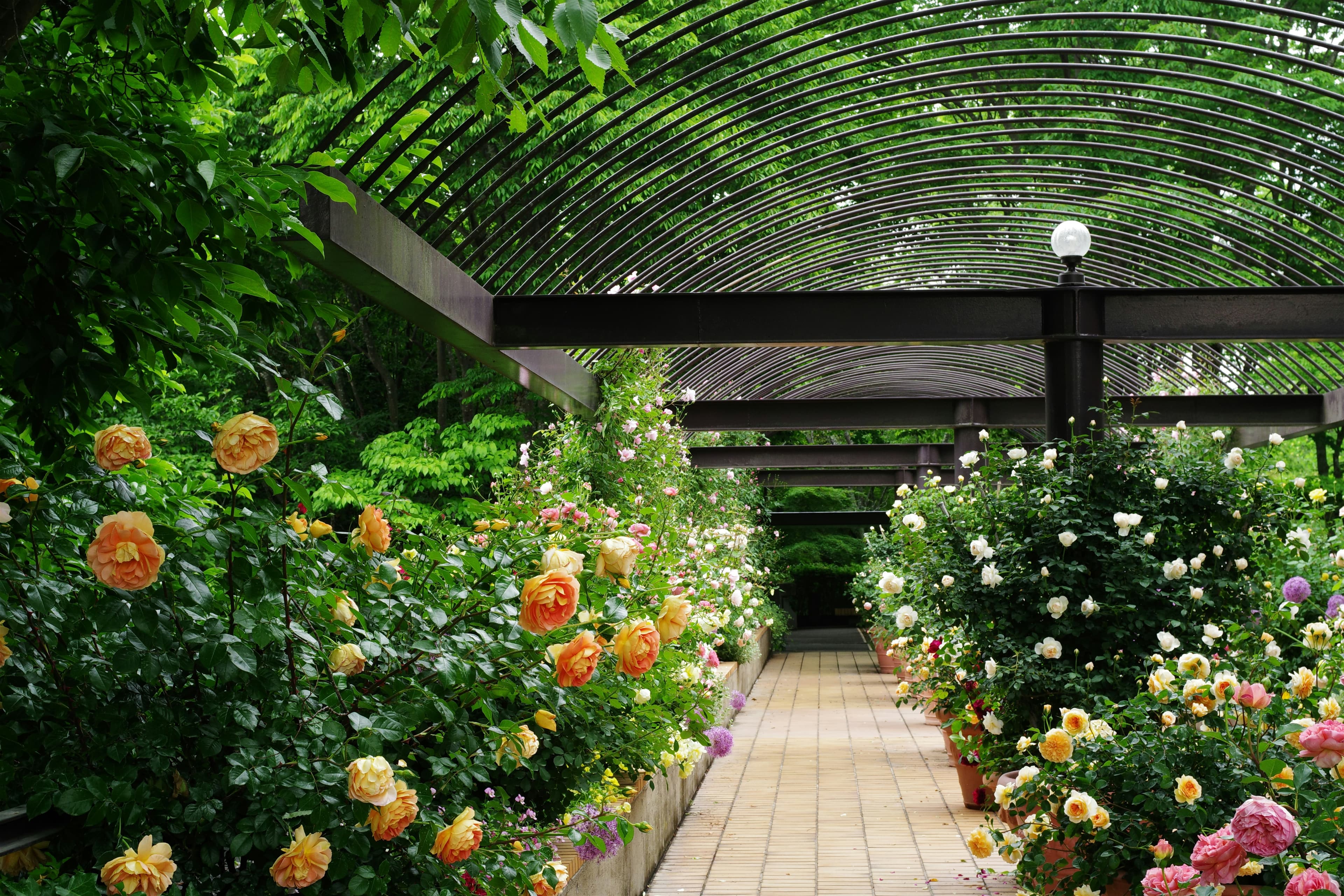 SITUATIONAL
Large green space near the National Highway with a jogging track and the state's biggest tricolor flagpole; pleasant for a morning walk if you're staying nearby, not an attraction to detour for.
WORTH ITNine intricately painted arches at the entrance to Jawahar Circle — go at sunrise for empty-gate photos; by mid-morning it's wall-to-wall influencers waiting for the same shot.
SITUATIONALSmall, well-curated jewelry museum from the Amrapali brand — good if you want to understand traditional Rajasthani jewelry-making before shopping in Johari Bazaar so you can spot low-quality imitations.
WORTH ITHoused in a restored haveli in Amber town, this is the real deep-dive into block-printing craft and history — pair it with a stop in Sanganer or Bagru if you want to see the technique practiced live rather than just displayed.
WORTH ITOpen-air food court near Central Park with Rajasthani street food (pyaaz kachori, ghevar) at fixed, posted prices — a safer bet than street stalls for travelers worried about hygiene, and no bargaining friction.
SITUATIONALTerraced Mughal-style garden built for a Rajput queen, painted with Radha-Krishna murals — pretty but minor; combine with Ghat ki Guni forts nearby rather than visiting alone.
WORTH ITRoyal cenotaphs of Jaipur's maharajas, marble carving rivaling City Palace but almost empty of tourists — one of the best quiet, uncrowded photo stops in the city, oddly skipped by most itineraries.
SITUATIONALModern mall useful for AC relief during summer midday heat, decent food court, and a legitimate fixed-price option for Rajasthani handicrafts if you're scam-fatigued from the bazaars — not a cultural attraction in itself.
SKIPFamous meringue-pink interior is the appeal, not the film experience — multiple recent visitor reports describe it as dated and underwhelming compared to its reputation. Peek at the lobby/facade for photos instead of committing to a full 3-hour Bollywood screening unless you're a genuine cinema buff.
Small-group guided walks through the old walled city covering Johari Bazaar's real gem trade vs tourist-trap shops, with a licensed local historian.
View listing →Pre-dawn access coordination for Amber Fort and Panna Meena ka Kund timed to beat both heat and crowds, with a local photographer guide.
View listing →Fixed-price jeep transport to Abhaneri, Bagru, and Samode with no shopping-stop detours built into the itinerary — priced upfront, no commission-shop surprises.
View listing →Arranges verified visits to genuine block-printing family workshops in Sanganer and Bagru, bypassing the driver-commission 'factory tour' pipeline.
View listing →