JAIPUR
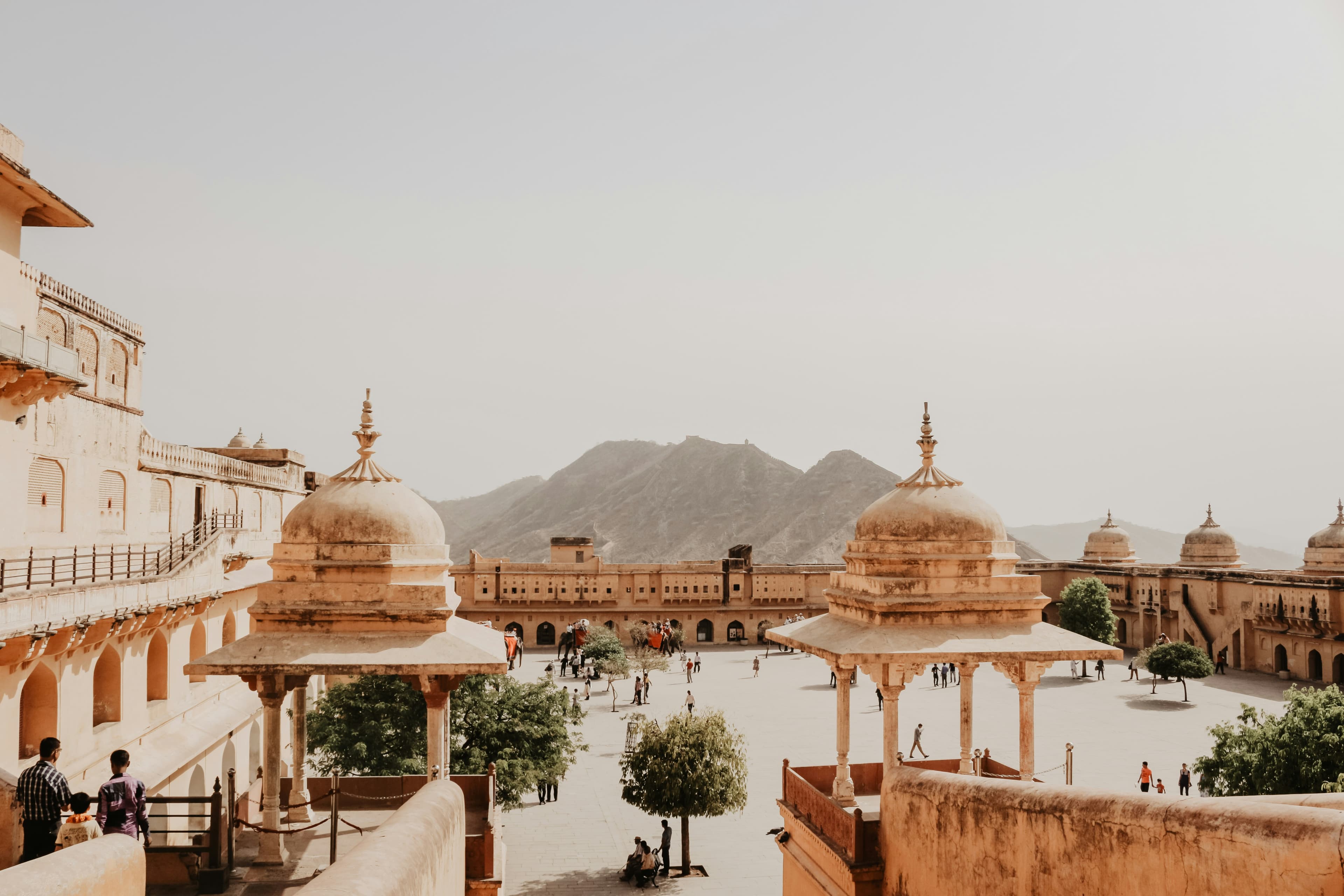
Photography inside some inner courtyards (Pritam Niwas Chowk with its four painted doors) requires a separate camera fee — check the ticket window rather than assume your phone photos are free everywhere.
Construction began around 1729 under Maharaja Sawai Jai Singh II shortly after he founded Jaipur and moved his capital there from Amber, with the core structures completed by 1732. The complex was laid out according to Vastu Shastra principles and combines Rajput, Mughal, and later European architectural elements, with additions made by successive maharajas into the 20th century. It remains the residence of the Jaipur royal family and today houses the Maharaja Sawai Man Singh II Museum, displaying royal costumes, weapons, and manuscripts.