3-Day Goa Itinerary: North Goa, Old Goa & the South
Published 23 July 2026Three days is enough to fall for Goa if you plan it right. This itinerary covers Goa's essential experiences without turning the trip into a race: a full day of North Goa's beaches, forts, and famous sunsets; a day of Portuguese-era churches, the pastel lanes of Panjim, and a proper Goan lunch; and a third day that goes quieter and greener, whether you point south to the palm-fringed beaches around Palolem or inland to the Dudhsagar waterfall. It is built for first-timers on a long weekend, with realistic timings, where to base yourself, and how to get around. For the weather side of your planning, pair this with our guide to the best time to visit Goa.
The short answer
- Day 1: North Goa - Fort Aguada, Calangute or Baga, Anjuna, Chapora Fort, sunset at Vagator
- Day 2: Old Goa churches, Panjim and the Fontainhas Latin Quarter, an evening Mandovi cruise or riverside dinner
- Day 3: Pick your pace - South Goa (Palolem and Agonda for scenery, or Colva and Benaulim for an easier day trip) or a Dudhsagar Falls day trip
- Where to base yourself: North Goa, with Candolim the strongest all-round base for this route (Calangute and Anjuna are good alternatives)
- Best way to get around: a rented scooter or a hired car with driver - Goa is spread out and public transport is thin
- Ideal season: mid-November to mid-February for dry, warm beach weather
This itinerary assumes you have three full sightseeing days in Goa
If your trip is two nights and three calendar days, keep Days 1 and 2 and use your final half-day for one nearby beach rather than travelling to South Goa or Dudhsagar.
Before you go: how to plan the three days
Goa is bigger and more spread out than most first-timers expect, and North and South Goa have very different personalities. North Goa is the busy, buzzy side - beach shacks, markets, cafes, water sports, and nightlife. South Goa is quieter, greener, and more laid-back, with broad beaches, less intensive development, and generally fewer crowds. With only three days, the most efficient plan is to base yourself in North Goa and take a day trip south, rather than moving hotels.
A few practical calls to make before you arrive:
- Best all-round base for this itinerary: Candolim. It keeps Fort Aguada close, provides easy beach access, and avoids placing you too far north for the Panjim, Old Goa, and South Goa days. Calangute is an equally central alternative; Anjuna and Assagao are more boho and cafe-heavy; Morjim and Ashwem are calmer and more upscale. Base once and stay put - checking out mid-trip wastes half a day.
- How to get around: a rented two-wheeler is the cheapest and most flexible option if you are comfortable riding; otherwise hire a car with driver for the day, or use taxis. GoaMiles and local taxis are available, but availability can vary by location - check the quoted fare and confirm whether the driver will wait or provide a return journey before beginning a long day trip.
- Licence and road safety: carry a valid driving licence for a scooter or car, always wear a helmet, and avoid riding at night on unlit roads. Do not drink and drive.
- Beach safety: swim only in lifeguarded areas, follow warning flags and lifeguard instructions, and never enter the sea after drinking. Swimming may be unsafe or prohibited during rough weather and the monsoon.
- Seasonality: water sports, beach shacks, cruises, and boat trips can be seasonal or suspended in rough weather, so confirm availability close to your travel date.
- Pace: this plan is full but not punishing. If you would rather do less, drop the second half of Day 1 and simply linger at one beach.
Check your airport before booking the hotel
Goa is served by Dabolim Airport (GOI) and Manohar International Airport (GOX). Transfer times vary considerably depending on whether you stay in North or South Goa, so check the route from your actual airport rather than searching only for "Goa airport".
Day 1: North Goa beaches, forts, and a famous sunset
Day one is the classic North Goa route - historic forts, lively beaches, coastal viewpoints, and a Vagator sunset.
Morning: breakfast, then Fort Aguada and Candolim
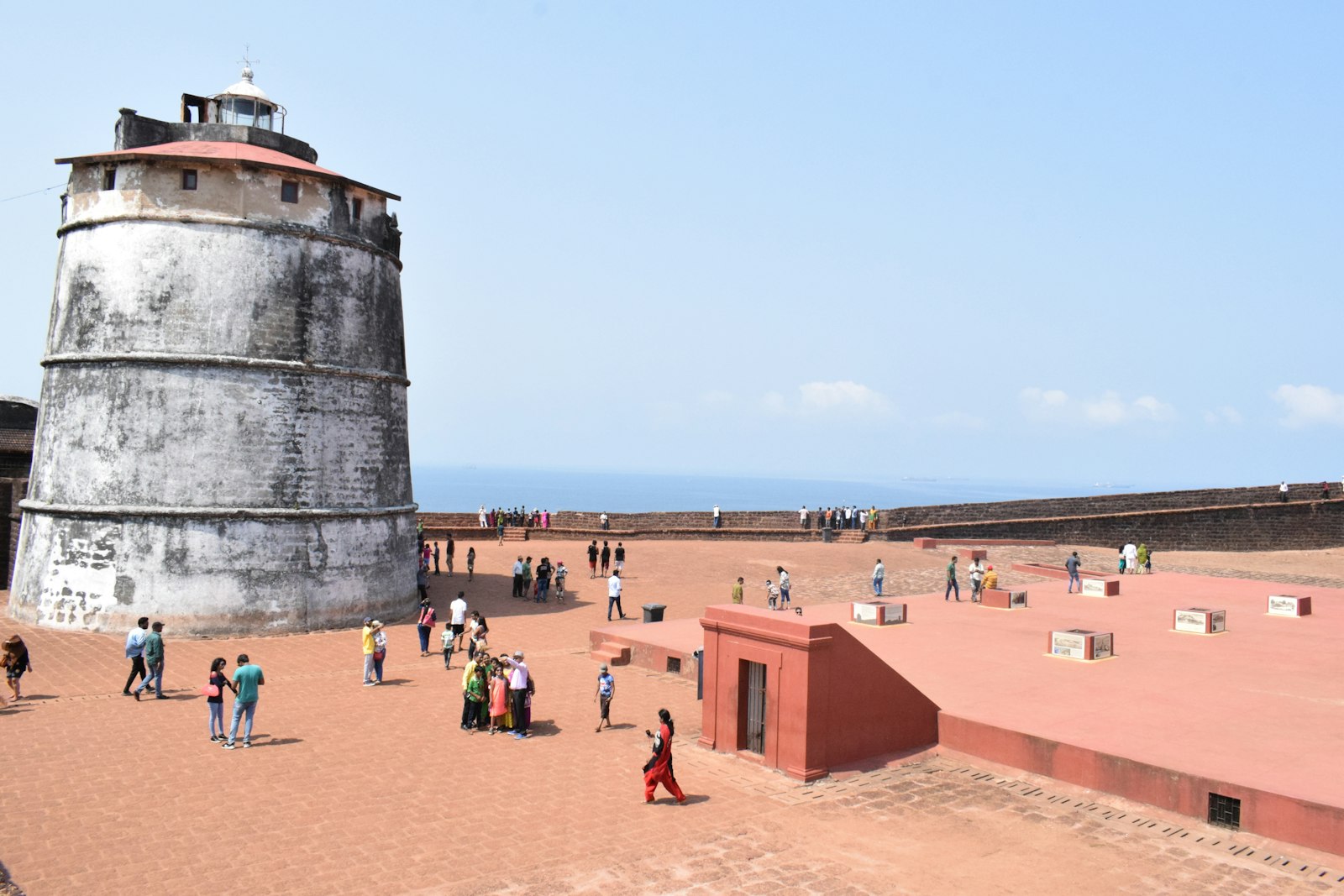
Have breakfast in Candolim first, then head to Fort Aguada for opening - the fort typically opens around 9:30 am, so there is no need to arrive before then. It is a well-preserved 17th-century Portuguese fort above the sea, with a landmark lighthouse and wide coastal views. From there, drop down to Candolim beach for your first proper stretch of Goan sand.
Midday: Calangute or Baga
These neighbouring beaches offer Goa's busiest shack-and-water-sports scene, so choose one rather than treating them as separate sightseeing stops. It is the place for parasailing, jet skis, and banana-boat rides if you want them, and for a long lunch at a beach shack with your feet near the water. Then continue north. If you plan to spend several hours at the Anjuna flea market on a Wednesday, skip the water sports or drop this stop entirely.
Afternoon: Anjuna and Chapora
Head north to Anjuna, known for its cliffs, cafes, and the long-running flea market (traditionally on Wednesdays in season - confirm the current day before you go). Nearby Chapora Fort is a short uphill walk with sweeping views over Vagator and the river mouth, and it is a favourite photo stop.
Evening: sunset at Vagator
Finish at Vagator for sunset. Big and Small Vagator beaches sit below dramatic red cliffs, and the whole headland glows at golden hour. Stay on for dinner at a cliffside cafe, or head back toward Baga and Anjuna if you want livelier nightlife.
Suggested timings (adjust to the season's sunset and current opening hours):
- 8:00 am - breakfast in Candolim
- 9:30 am - Fort Aguada
- 11:00 am - Candolim beach
- 12:30 pm - Calangute or Baga for lunch and optional water sports
- 3:15 pm - Anjuna
- 4:30 pm - Chapora Fort
- 5:30 pm - head down to Vagator
- Sunset - Vagator beach
- 7:30 pm onwards - dinner
Day 2: Old Goa's churches, Panjim, and the Latin Quarter
Day two trades sand for history and the Portuguese-Goan heart of the state.

Morning: Old Goa
Drive to Old Goa, the former capital, and spend the morning among its UNESCO-listed churches and convents. The Basilica of Bom Jesus, which holds the relics of St Francis Xavier, and the vast Se Cathedral are the headline sights, and they sit within easy walking distance of one another. Dress modestly for the churches - covered shoulders and knees.
Midday: Panjim and a Goan lunch
Continue to Panjim (Panaji), Goa's compact riverside capital. Stop for a classic Goan lunch - fish curry rice, prawn balchao, pork vindaloo, or a vegetarian thali - at one of the city's well-known local restaurants.
Afternoon: Fontainhas, the Latin Quarter
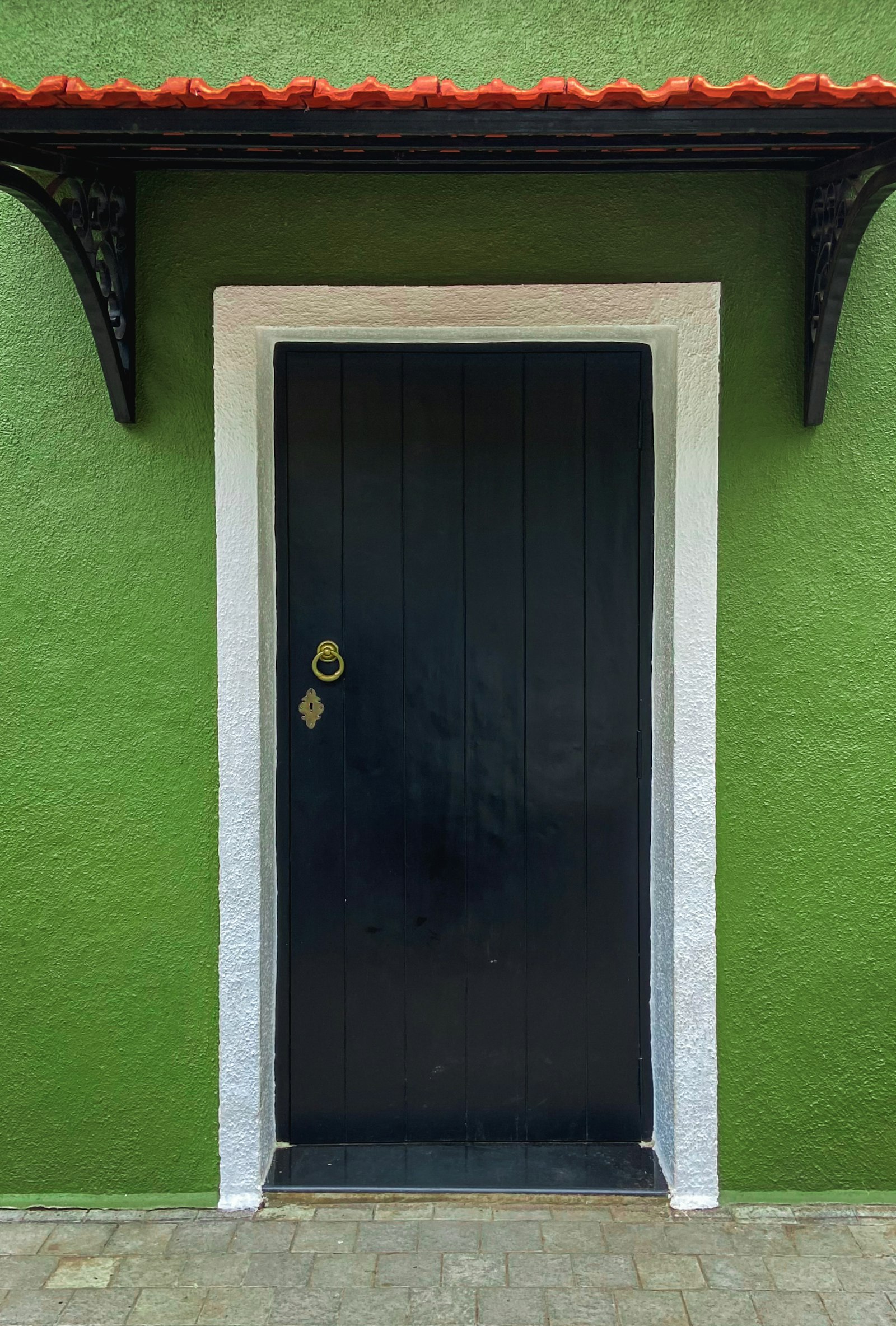
Wander Fontainhas, Panjim's old Latin Quarter, on foot. Its narrow lanes of ochre, blue, and green Portuguese-era houses, tiny chapels, and art cafes are the most photogenic corner of the city, and it is best explored slowly and on foot.
Evening: the Mandovi river
Round off the day on the Mandovi. You can take a sunset river cruise, several of which run daily in season with live music and dance, or simply have a relaxed riverside dinner. If you are drawn to Goa's casino scene, several floating casinos are moored on the Mandovi off Panjim.
Suggested timings (confirm current church and cruise hours):
- 8:30 am - leave Candolim
- 9:30 am - Old Goa churches
- 12:00 pm - drive to Panjim
- 12:45 pm - Goan lunch
- 2:30 pm - Fontainhas walk
- 5:30 pm - Mandovi cruise or riverside evening
Day 3: Choose your pace - the quiet south or Dudhsagar Falls
Your last day depends on what you are missing. If you want the calmer, prettier beaches Goa is quietly famous for, go south. If you want a big-nature day out, go for the waterfall.
Option A: choose one South Goa beach cluster
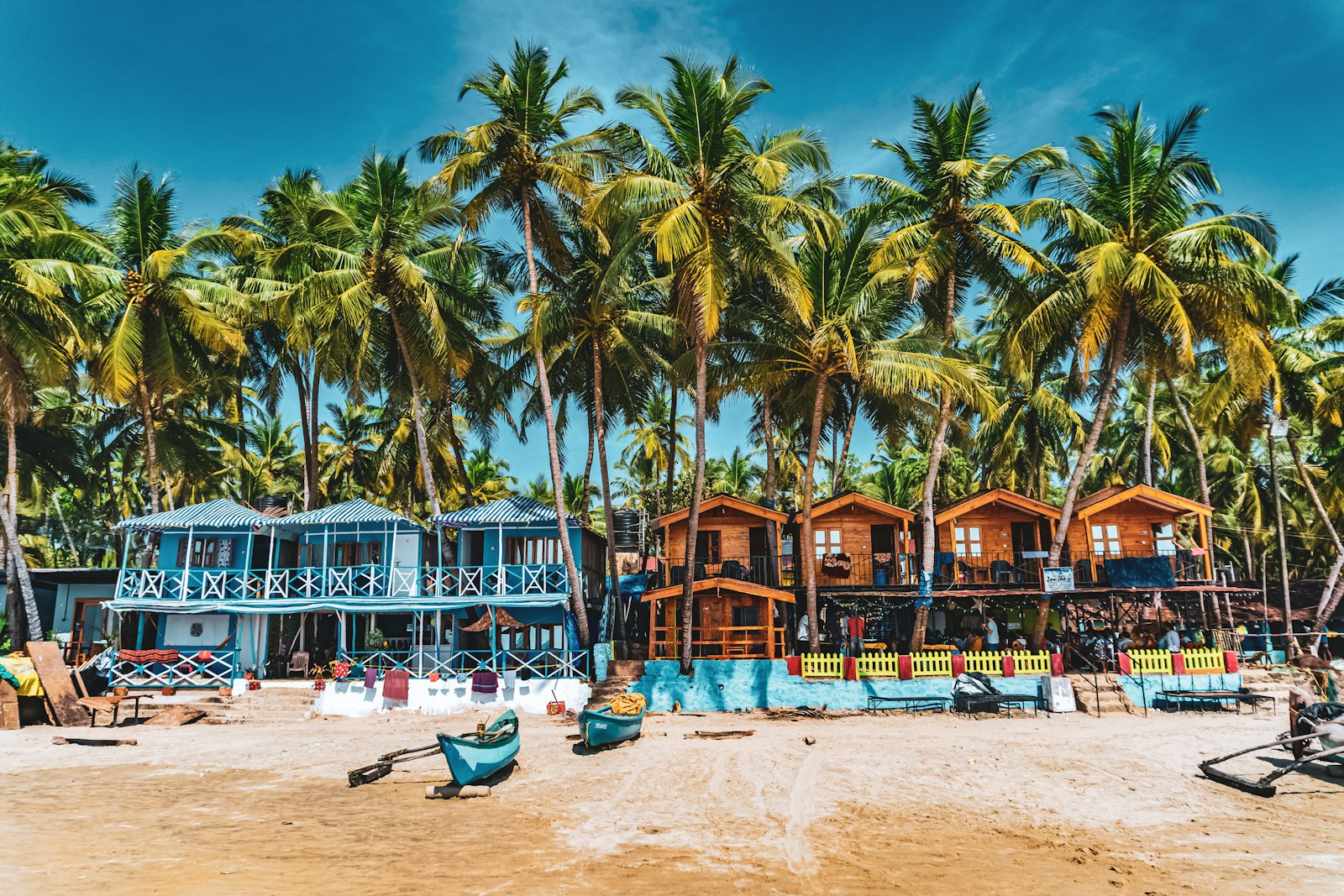
For Goa's most scenic southern beach day, make the longer trip to crescent-shaped Palolem and nearby Agonda, a longer, more open beach. Allow at least two hours each way between Candolim and Palolem, and longer when traffic is heavy. For an easier day with less driving, choose Colva and Benaulim, broad and mellow beaches closer to Margao - considerably closer than Palolem, though still a substantial cross-Goa drive. Do not try to cover both clusters in one day - pick one area and leave time to enjoy it. Spend the day swimming, walking, and eating slowly; in season you can take a short boat trip from Palolem to spot dolphins or visit Butterfly Beach. This is the better pick if beaches are why you came.

Option B: Dudhsagar Falls day trip
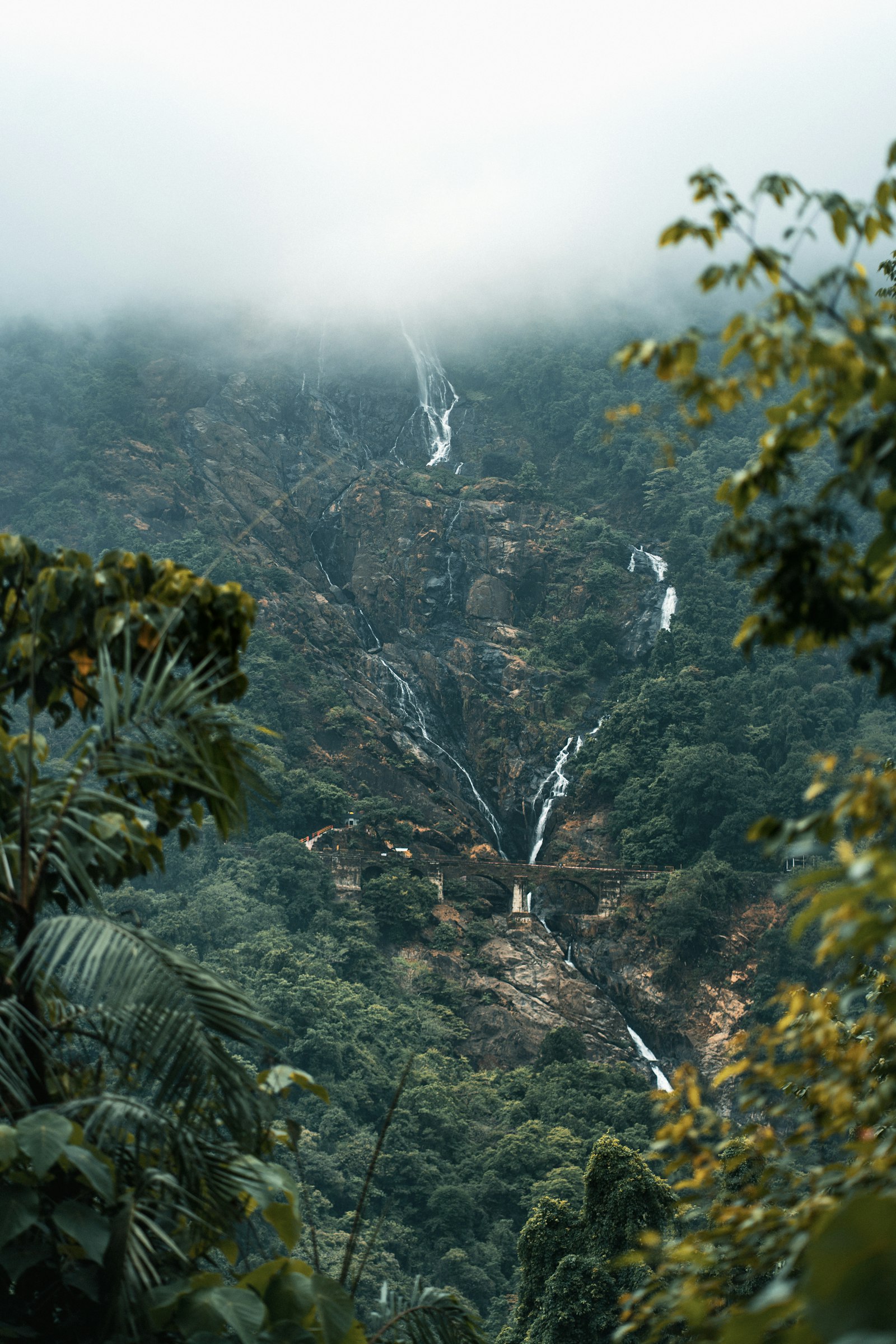
Dudhsagar is Goa's highest and largest waterfall, inside Bhagwan Mahaveer Wildlife Sanctuary and Mollem National Park on the Goa-Karnataka border. When the regulated tourist circuit is operating, visitors generally continue from Collem in an authorised jeep; private vehicles are not permitted on the forest route. Operations can be suspended during the monsoon or when conditions are unsafe, so confirm the current access arrangements before leaving your hotel. Do not attempt to reach the falls by walking along railway tracks or using an unauthorised route. This is a long day out, so start early.
Option C: slow it down
If three full days feels like too much, simply return to your favourite beach from Day 1, book a late checkout, and end the trip the way most people wish they had - doing nothing at all, with a cold drink and a good book.
Suggested departures - each of these options requires an early start:
- Palolem and Agonda - leave by roughly 7:00 am
- Colva and Benaulim - leave by roughly 8:00 am
- Dudhsagar - leave as early as your confirmed tour arrangement requires
Where to stay in Goa for a 3-day trip
For a first three-day trip, stay in one North Goa base rather than changing hotels. Candolim is the recommended default for this route. Here is a quick orientation:
| Area | Vibe | Best for |
|---|---|---|
| Candolim | Central, convenient, well-placed for this route | The recommended base - beaches plus easy access to everything |
| Calangute | Central, developed, busy | First-timers who want to be in the thick of it |
| Baga | Busy, nightlife-heavy | Party-focused trips |
| Anjuna / Assagao | Boho, cafes, markets | Younger travellers, cafe culture, longer stays |
| Morjim / Ashwem | Calmer, upscale, greener | Couples and quieter beach days in the north |
| Palolem / Agonda (South) | Laid-back, scenic | Travellers who prioritise quiet, pretty beaches over nightlife |
Getting around Goa
- Rented scooter or bike: the cheapest and most flexible way to cover Goa's spread-out sights, if you are a confident rider. Carry your licence and always wear a helmet.
- Car with driver: comfortable for the Old Goa and South Goa days, and worth it if you are not riding. Hire by the day and agree the route and price up front.
- Taxis and app cabs: GoaMiles and local taxis are available, but availability can vary by location - check the quoted fare and confirm whether the driver will wait or provide a return journey before beginning a long day trip.
- Distances to plan for: travel time depends heavily on which southern beach you choose. Colva and Benaulim are substantially closer to Candolim than Palolem and Agonda, which can consume several hours of the day in return travel. Either way, a south-beach day is a full-day commitment, not a quick hop.
What a 3-day Goa trip roughly costs
Goa spans backpacker to luxury, so treat these as rough orientation figures rather than a quote. The stay figure is per night (a room, or a hostel bed at the budget low end); the daily-spend and trip-total figures are per person. Prices swing sharply with season - the 20 December to 2 January peak can run substantially higher.
| Style | Typical stay | Stay cost/night | Daily spend per person (food, local travel, activities) | Approx. 3-night trip total (per person) |
|---|---|---|---|---|
| Budget | Hostel bed or basic room | ₹500-1,500 | ₹700-1,500 | ₹4,000-8,000 |
| Mid-range | 3-star hotel or good guesthouse | ₹2,500-6,000 | ₹1,500-3,000 | ₹10,000-20,000 |
| Premium | Beach resort | ₹8,000+ | ₹3,500+ | ₹30,000+ |
These totals assume three nights, two people sharing private accommodation where applicable (a hostel bed at the budget low end), and include a mix of food, local travel, and a few paid activities, plus some one-off costs such as airport transfers. They exclude flights or trains to Goa. Because hotel, taxi, and festive-season rates are volatile, confirm current prices close to your travel dates.
Frequently asked questions
Is 3 days enough for Goa?
Three days is enough for a satisfying first trip: one day for North Goa's beaches and forts, one for Old Goa and Panjim's history and food, and one for either the quieter southern beaches or Dudhsagar Falls. It is not enough to see everything, but it captures Goa's two main moods - lively north and mellow south - without feeling rushed if you base yourself in one place.
Should I stay in North or South Goa?
For a first three-day trip, stay in North Goa. It is central, well connected, and packed with beaches, shacks, markets, and nightlife, and it keeps the Old Goa and Panjim day short. Take a day trip south to sample the calmer beaches. Choose South Goa as your base only if quiet and scenery matter more to you than convenience and nightlife.
How do I get around Goa in 3 days?
The most flexible option is a rented scooter if you are comfortable riding, or a hired car with driver for the longer Old Goa and South Goa days. GoaMiles and local taxis are available too, but availability can vary by location, so check the quoted fare and any return arrangement before a long day trip. Public transport is limited, so most visitors rely on their own two wheels or a car.
What is the best time to visit Goa for this itinerary?
Mid-November to mid-February brings dry, warm weather, calm seas, and a fully active beach-shack and nightlife scene, which suits this itinerary best. October and March are pleasant shoulder months. See our full guide to the best time to visit Goa for a month-by-month breakdown.
Can I visit Dudhsagar Falls in 3 days?
Yes, on your third day, but plan for a full day out. Dudhsagar sits on the Goa-Karnataka border inside Bhagwan Mahaveer Wildlife Sanctuary and Mollem National Park. When the regulated tourist circuit is running, most visitors continue from Collem by authorised jeep, as private vehicles are not permitted on the forest route. Operations can be suspended during the monsoon or when conditions are unsafe, so check the current access arrangements before you commit the day to it, and never try to reach the falls on foot along the railway tracks.
The TravelNerdz take
If this is your first Goa trip, resist the urge to cram. Base yourself once in North Goa, give Day 1 to the northern beaches and a Vagator sunset, spend Day 2 slowly among Old Goa's churches and Panjim's Latin Quarter with a long Goan lunch in between, and let Day 3 go quiet - south to Palolem if you want the prettier beaches, or inland to Dudhsagar if you want one big nature day. The single biggest mistake first-timers make is underestimating how far apart things are, so pick a base, get a set of wheels you trust, and build in time to do nothing on a beach. That, more than any checklist, is the Goa people come back for.