Ooty Itinerary: 2 Days With an Optional Day 3
Published 28 July 2026Ooty rewards travellers who slow down, and this Ooty itinerary is built to do exactly that. It gives first-timers two well-paced days covering the terraced Botanical Gardens, boating on Ooty Lake, the highest peak in the Nilgiris at Doddabetta, and the UNESCO-listed Nilgiri Mountain Railway, commonly known as the toy train. Day 2 continues into Coonoor's tea country, while an optional third day explores the wider Nilgiris, from Pykara Lake and Falls to a wildlife safari at Mudumalai. It comes with realistic timings, where to base yourself, and how to get around these winding hill roads. For the weather side of your planning, pair it with our guide to the best time to visit Ooty, and for a wider view of the hill station see our Ooty city guide.
Ooty itinerary at a glance
- Day 1: Ooty town's classics - Doddabetta Peak first thing for clear views, then the Government Botanical Gardens, the Government Rose Garden, St. Stephen's Church, and an afternoon of boating on Ooty Lake
- Day 2: Ride the toy train down to Coonoor, then the viewpoints and tea country - Dolphin's Nose and Lamb's Rock immediately after arrival, a working tea factory, and Sim's Park
- Day 3 (optional): The wider Nilgiris - Pykara Lake and Falls with the Wenlock Downs shooting points, the quiet high valley at Avalanche, or a wildlife safari at Mudumalai
- Where to base yourself: the Charing Cross town centre for a central base, or a quieter tea-estate stay or Coonoor for calm
- Best way to get around: a hired car with driver for the hill roads and day trips, with autos and the toy train for shorter hops
- Ideal season: March to June for Ooty's classic warm-by-day sightseeing weather
| Day | Morning | Afternoon | Evening |
|---|---|---|---|
| Day 1 | Doddabetta Peak for early views, then the Botanical Gardens | Government Rose Garden, St. Stephen's Church, then Ooty Lake boating | Thread Garden, tea and chocolate shops, dinner in town |
| Day 2 | Toy train to Coonoor, then Dolphin's Nose and Lamb's Rock | A tea factory and tasting, lunch, then Sim's Park | Return to Ooty and dinner in town |
| Day 3 (optional) | Leave early for Pykara, Avalanche, or Mudumalai | Half- or full-day excursion by car with driver | Return to Ooty |
Before you go: how to plan your days
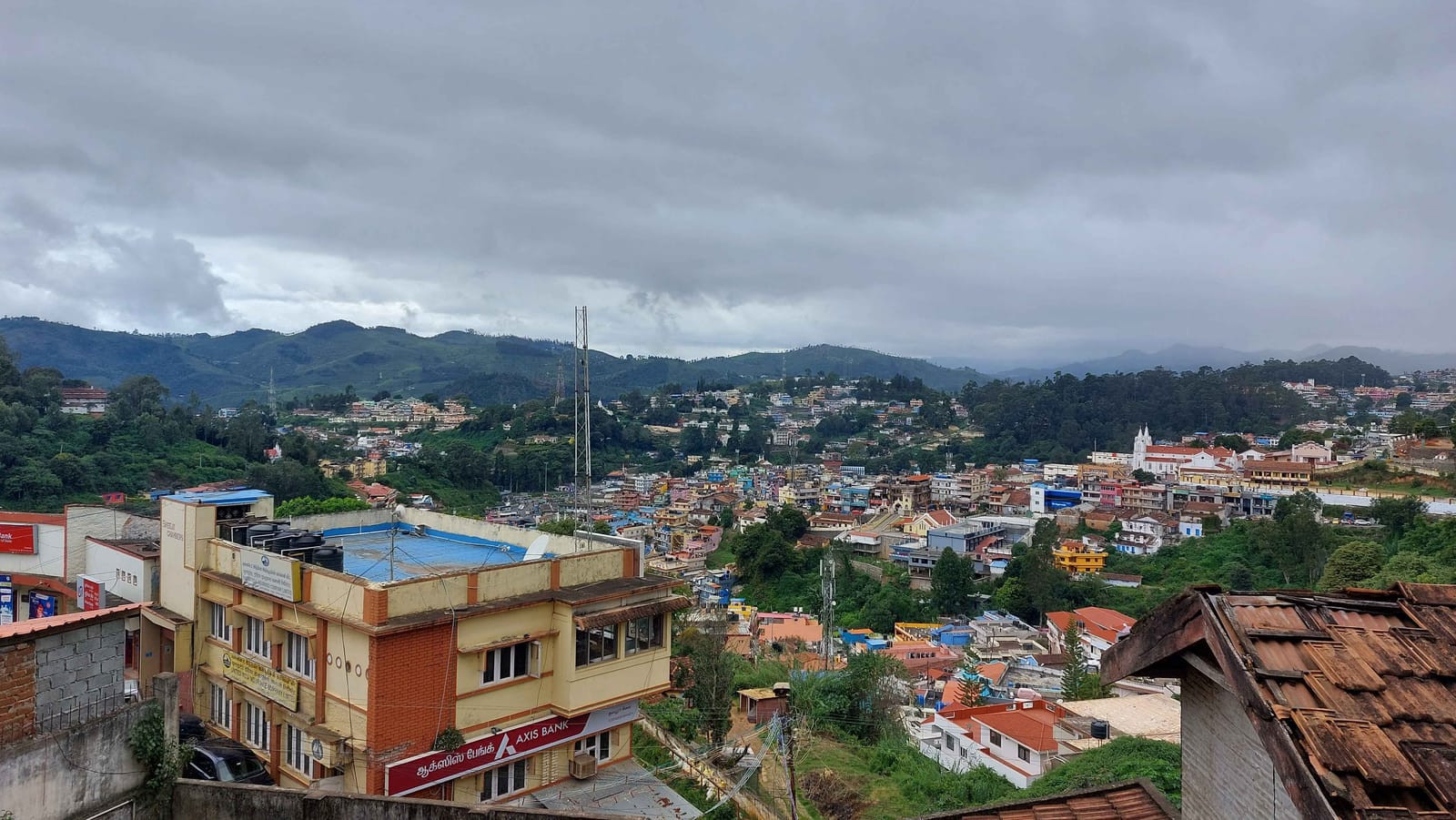
Ooty's sights fall into three loose zones. The town core - the lake, the Botanical and Rose gardens, the church, and the bazaars around Charing Cross - is compact, with Doddabetta a short drive east. Coonoor, the second Nilgiri hill town and the heart of the tea country, sits about 19 km south-east and is linked to Ooty by the famous toy train. The wilder scenery - Pykara, Avalanche, Emerald, and the Mudumalai wildlife reserve - lies west and north of town and needs a car. A few calls to make before you arrive:
- Best base for this itinerary: for a first trip, stay around Charing Cross or the central town area, close to restaurants, shops, and several central sights, with the lake, railway station, and gardens a short auto or taxi ride away. For a quieter, greener stay, choose a tea-estate hotel or homestay on the outskirts, or base yourself in Coonoor, which is calmer and less crowded than Ooty. Book early for the March to June peak season, when the best rooms and toy-train seats fill first.
- Driving into the Nilgiris: if you are arriving in a private car, rental vehicle, or tourist taxi, check the current Nilgiris e-pass requirement and apply through the official Tamil Nadu e-pass portal before travelling, and watch the Nilgiris district portal for current notices and road restrictions, as entry and traffic rules can change during busy periods.
- Plastic restrictions: the Nilgiris bans a defined list of disposable plastic items, including plastic carry bags, cups, straws, cutlery, water packets, and some plastic bottles. Vehicles may be checked at district entry points, so review the current official list and carry reusable alternatives.
- Kalhatti road restriction: as of 29 April 2026, tourist vehicles are not permitted on the Kalhatti Mountain Road, so do not plan the shorter Kalhatti route between Ooty and Masinagudi unless the district administration announces a change. Confirm the permitted route with your driver before departure.
- How to get around: a car with driver hired by the day is the sensible choice for the winding ghat roads, Doddabetta, and any Day 3 excursion - agree the route and price up front and confirm the driver waits at each stop. Autos handle short in-town hops (agree the fare first, as meters are rare), and the toy train covers the scenic Ooty-to-Coonoor leg.
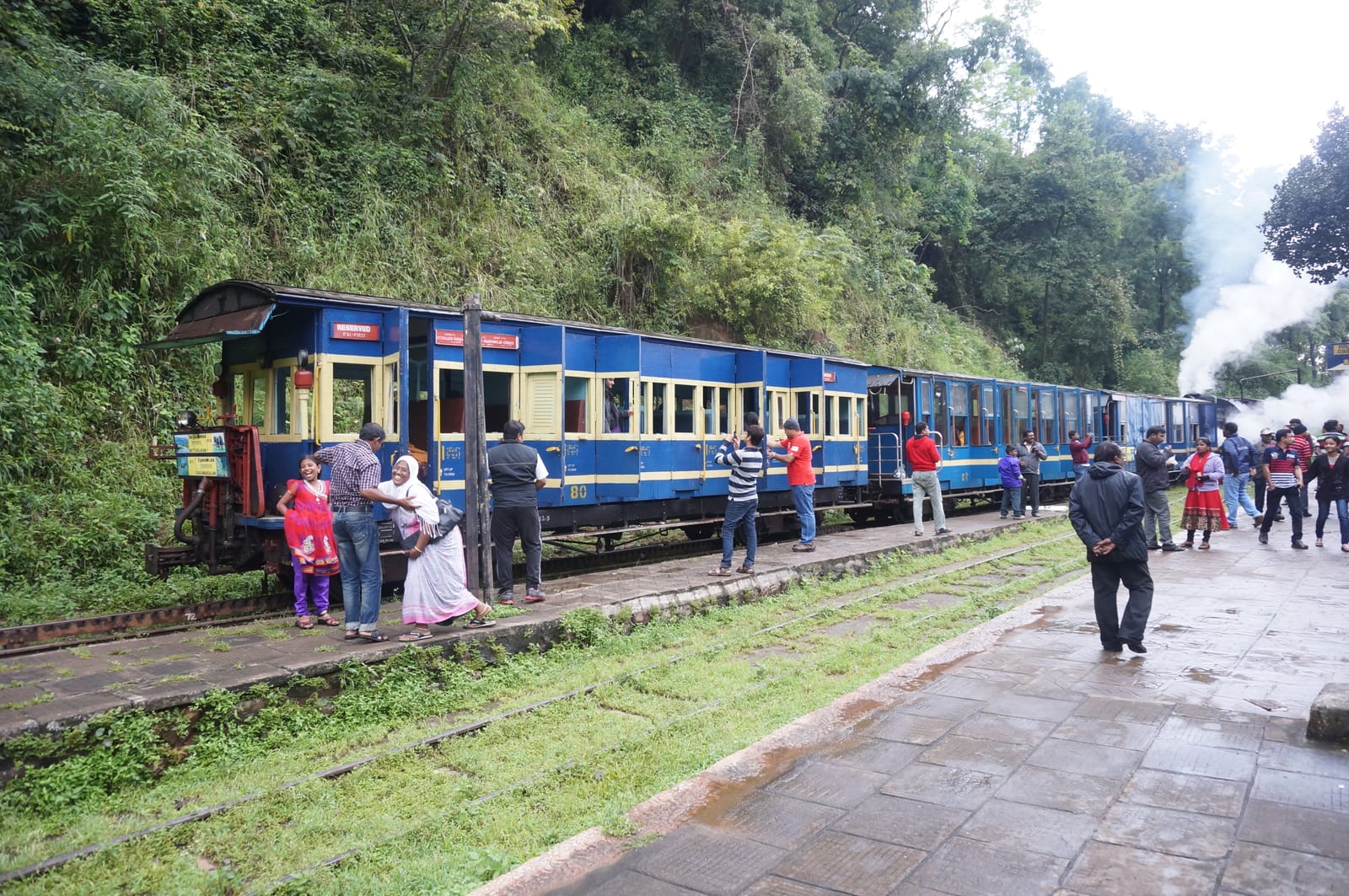
- Booking the toy train: the Nilgiri Mountain Railway is in high demand and seats sell out fast on weekends, holidays, and through the March to June peak season. Book as early as your dates allow through the official IRCTC reservation window, take the first suitable morning departure, and have a road backup in mind, as services can be delayed or suspended after heavy rain.
- Altitude, cold, and fog: Ooty sits above 2,200 m and Doddabetta tops 2,600 m, so even summer evenings turn cold and winter nights can approach freezing - pack warm layers whatever the season. Mornings are often the clearest; the hills tend to cloud over by afternoon, so do your best viewpoints early.
- Winding roads and car sickness: the ghat roads up from the plains and between the hill towns are a long series of hairpin bends. If anyone in your group is prone to travel sickness, plan for it.
- Timing the light and the seasons: for pleasant sightseeing weather go March to June, though that is also the busiest and priciest stretch. The July-to-September monsoon is lush and cheap but wet and disruption-prone, and December to February is crisp, quiet, and cold. See our full guide to the best time to visit Ooty for a month-by-month breakdown.
Day 1: Doddabetta, the gardens, and Ooty Lake
Day one covers the sights Ooty is most famous for, arranged to catch the best of the day's light. Start high while the sky is clear, come down for the town's gardens and heritage, and finish on the water.
Early morning: Doddabetta Peak
Begin at Doddabetta, the highest peak in the Nilgiris at about 2,637 m, roughly 9 to 10 km east of town on the Kotagiri road. On a clear morning the summit gives sweeping views across the tea-clad ranges, and there is a telescope house at the top for a closer look at the valleys. Visit early, because the peak often clouds over as the day warms, so morning is your best chance of the view. There is a car park and a short walk to the viewpoint, which gets busy later in the day.
Morning: the Government Botanical Gardens
Head back toward town for the Government Botanical Gardens, laid out in 1848 on the slopes below Doddabetta - terraced lawns, glasshouses, Italian-style beds, rare and mature trees, and a fossilised tree trunk thought to be around 20 million years old. It is the green heart of Ooty and an easy, pretty stroll; give it a good hour or two. In May the gardens host the Flower Show, the centrepiece of the Ooty Summer Festival, when the beds are at their most spectacular and the town at its most crowded.
Midday: the Government Rose Garden, St. Stephen's Church, and Charing Cross
A short drive away on Elk Hill, the Government Rose Garden is one of the largest rose gardens in India, terraced across the hillside with thousands of rose varieties and broad views over the town. From there, call in at St. Stephen's Church, one of the oldest churches in the Nilgiris, built in the 1820s with timber said to have been hauled up from Tipu Sultan's palace at Srirangapatna, with a peaceful old cemetery behind. Break for lunch around Charing Cross, the town's central junction, where the bazaars, bakeries, and the old Nilgiri Library cluster.
Afternoon: Ooty Lake and the Thread Garden
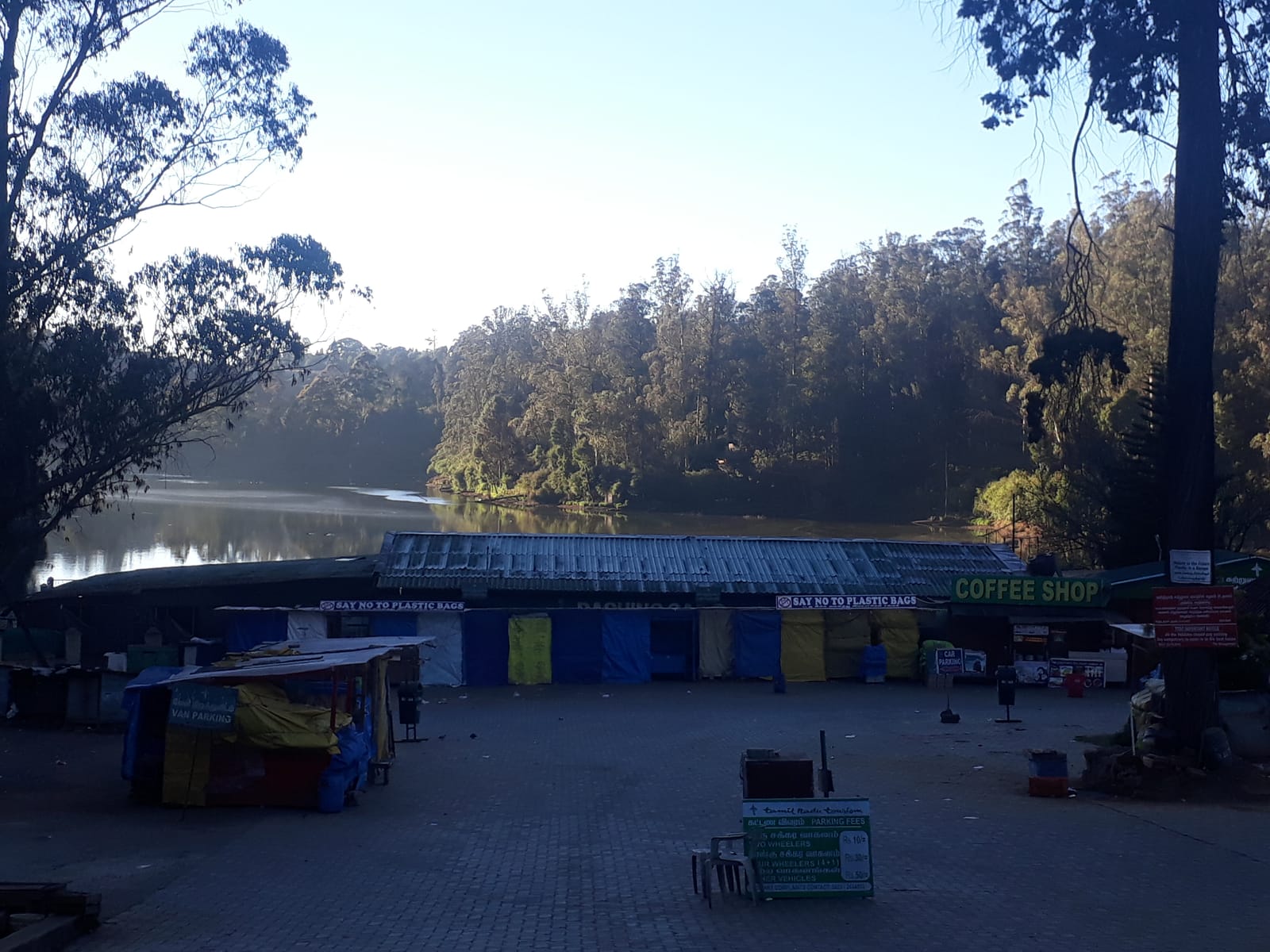
Spend the afternoon at Ooty Lake, the artificial lake created in the 1820s under John Sullivan, the British administrator closely associated with Ooty's development as a colonial hill station. Pedal boats and rowing boats are the classic Ooty pastime, and the lakeside is an old-fashioned amusement area that gets busy and commercial at peak times. Nearby, the Thread Garden displays flowers and plants painstakingly recreated entirely from thread - a quirky, quick stop - and the Wax World museum is close by if you have children in tow.
Evening: the town
Cap the day back around Charing Cross and Commercial Road, where you can pick up Nilgiri tea, homemade chocolate, and eucalyptus oil - Ooty's three signature souvenirs - and settle in for dinner in town.
Suggested timings (confirm current opening hours):
- 7:30 am - leave for Doddabetta Peak
- 8:15 am - Doddabetta viewpoint before the cloud builds
- 9:45 am - Government Botanical Gardens
- 11:30 am - Government Rose Garden
- 12:30 pm - St. Stephen's Church, then lunch at Charing Cross
- 2:30 pm - Ooty Lake boating
- 4:00 pm - Thread Garden
- 5:00 pm onward - town, souvenirs, and dinner
If the day runs late: treat the Thread Garden as optional. Prioritise Doddabetta, the Government Botanical Gardens, and Ooty Lake, then fit the Government Rose Garden and church around the time you have.
Day 2: The toy train and the tea country at Coonoor
Day two is the one most people remember: the toy train down to Coonoor, then a half-day among its tea estates and cliff-edge viewpoints. The order matters here - do the viewpoints first, while the morning air is still clear.
Morning: the Nilgiri Mountain Railway
Ride the Nilgiri Mountain Railway from Ooty down to Coonoor, a scenic journey of roughly an hour to an hour and a half depending on the service, through tea gardens, eucalyptus woods, tunnels, and bridges on a line that opened in 1908 and forms part of the UNESCO-listed Mountain Railways of India. The rack-railway section lies between Mettupalayam and Coonoor, below the town, so the Ooty-to-Coonoor leg is the easy, popular ride and slots neatly into a day trip. Book ahead - seats are limited and sell out - take the first suitable morning departure you can reserve, and keep the plan flexible in case of weather delays. Have your car and driver meet you at Coonoor for the rest of the day.
On arrival: Dolphin's Nose and Lamb's Rock
Head straight to Coonoor's cliff-edge viewpoints while the morning is clearest - they are a short drive east of town through the estates and cloud over easily by mid-afternoon. Dolphin's Nose is a rocky promontory looking across a deep tea-covered valley toward the thin thread of Catherine Falls, while Lamb's Rock, on the same road, overlooks the plains far below toward Mettupalayam.
Late morning: a working tea factory
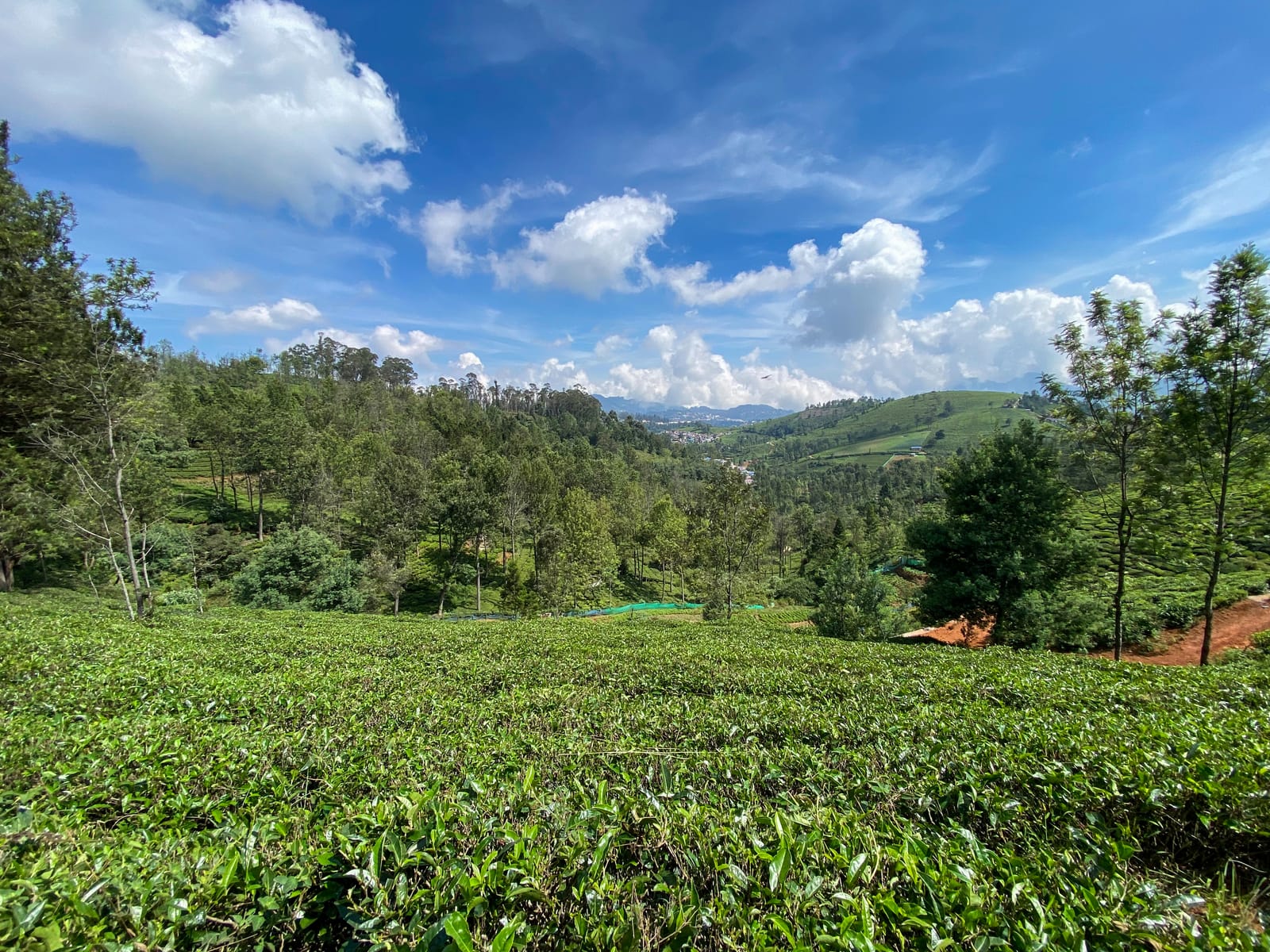
Back toward town, visit a tea factory that currently offers visitor tours and tastings. These short visits explain how the leaf is withered, rolled, dried, and graded, and are the best way to understand the industry that shapes the Nilgiris; confirm opening hours before setting out. Break for lunch in Coonoor.
Afternoon: Sim's Park
Give the less view-dependent sight the more uncertain afternoon slot. Sim's Park is a well-kept botanical garden on Coonoor's higher slopes, with rare trees, lawns, and a calmer, less crowded feel than Ooty's gardens - a relaxed way to round off the day before the drive back.
Evening: back to Ooty
Return to Ooty by road in the late afternoon - usually around 45 to 75 minutes depending on traffic and weather - for a relaxed evening in town. You can ride the toy train back up instead, but the road is quicker and keeps the day flexible.
Suggested timings (confirm current train times and opening hours):
- First suitable morning departure - toy train from Ooty to Coonoor
- On arrival - meet your driver, then Dolphin's Nose and Lamb's Rock
- Late morning - tea factory tour and tasting
- 1:00 pm - lunch in Coonoor
- 2:30 pm - Sim's Park
- 4:00 pm - drive back to Ooty
If your train arrives late: prioritise one viewpoint rather than rushing both, then choose between the tea factory and Sim's Park according to the remaining time and current opening hours before returning to Ooty by road.
Day 3 (optional): The wider Nilgiris
If you have a third day, spend it in the wider Nilgiris. Pykara and Avalanche can take half to most of a day, while Mudumalai should be treated as a full-day excursion, so start early and hire a car with driver.
Option A: Pykara Lake, Falls, and the Wenlock Downs
The most popular day out heads west on the Mysore road. Pykara, about 19 km from town, has a reservoir with a boathouse and boat rides, and the Pykara Falls, fullest just after the rains. On the way, the rolling grasslands of the Wenlock Downs and the pine forests give Ooty its most cinematic scenery, and the 6th Mile and 9th Mile viewpoints, commonly called the shooting points, are named for the many films shot there. A relaxed half-day, easily extended with a stop at the Pine Forest.
Option B: Avalanche and Emerald
Avalanche lies just over 20 km from Ooty in a protected landscape of shola forest, grassland, and reservoirs. Visitor access, permitted stopping points, and forest-department transport arrangements can change, so confirm the current system before leaving Ooty. Pair it with the nearby, tea-ringed Emerald Lake only if the day's access rules and road conditions allow. This is the day for travellers who want to escape the crowds and simply soak up the landscape.
Option C: Mudumalai wildlife safari
For wildlife, the Mudumalai Tiger Reserve spreads across the Nilgiris' northern slopes toward the Karnataka and Kerala borders, part of a larger biosphere that shelters elephants, gaur, deer, and, with luck, tigers and leopards. It is a long day trip from Ooty, particularly while the tourist-vehicle restriction announced on 29 April 2026 remains in force on the shorter Kalhatti road, so check the current route and journey time before committing to a safari slot and leave a generous buffer in both directions. Forest-department safaris operate within morning and afternoon windows and availability can be limited, so check current safari timings and booking rules before you go. If wildlife is a priority, an overnight near Masinagudi gives you the option of both morning and afternoon safari windows and is more rewarding than a single long day trip.
Where to stay in Ooty
For a first trip, weigh the convenience of the town centre against the calm of a tea-estate stay or nearby Coonoor. Here is a quick orientation:
| Area | Vibe | Best for |
|---|---|---|
| Charing Cross / town centre | Central, with shops and restaurants nearby and short rides to the principal sights | First-timers who want a convenient base |
| Around Ooty Lake | Scenic, near boating and the racecourse | Families and easy lakeside stays |
| Fernhill / Havelock Road | Quieter, leafy, with heritage and upscale hotels | Couples and splurge stays |
| Tea-estate outskirts | Green, immersive, with long valley views | Travellers with a car who want calm scenery |
| Coonoor | Slower, greener, less crowded than Ooty | A restful base in the tea country |
Getting around Ooty
- Car with driver: the sensible choice for the ghat roads, Doddabetta, Coonoor, and any Day 3 excursion. Hire by the day, agree the route and price up front, and confirm the driver waits at each stop.
- Autos and taxis: fine for short hops around town. Agree the fare before setting off, as meters are rare.
- The toy train: the scenic way to travel the Ooty-to-Coonoor leg - book ahead, and treat it as an experience rather than fast transport.
- Buses: government buses link Ooty, Coonoor, and Mettupalayam cheaply and frequently if you are travelling on a budget.
- On foot: the streets right around Charing Cross are walkable for shops and restaurants, but Ooty's slopes, traffic, and spread make an auto or taxi easier for the lake, gardens, and stations.
- Driving in from outside the Nilgiris: check the current Nilgiris e-pass requirement and apply before you travel (see Before you go), and note the district's restrictions on disposable plastics.
- Distances to plan for: Doddabetta is about 20 minutes out and Coonoor usually 45 to 75 minutes by road depending on traffic; the Day 3 excursions range from about 30 minutes to Pykara up to a full-day commitment for Mudumalai, whose journey time depends heavily on the permitted route and current road conditions.
What a 3-day, 2-night Ooty trip roughly costs
The estimates below assume a three-day, two-night trip, including the optional third day. A two-day visit without a private day trip should cost less. Ooty runs from backpacker guesthouses to heritage colonial hotels, so treat these as rough orientation figures rather than a quote. Prices spike over the April-to-June summer peak, long weekends, and the Christmas-New Year window, so confirm close to your dates.
| Style | Two nights, per person | Food and shared local transport | Tickets and activities | Approximate total |
|---|---|---|---|---|
| Budget (hostel or basic guesthouse) | ₹1,000-3,000 | ₹1,500-3,000 | ₹800-1,800 | ₹3,500-8,000 |
| Mid-range (3-star or tea-estate hotel) | ₹2,500-6,000 | ₹2,500-5,000 | ₹1,500-3,500 | ₹6,500-15,000 |
| Premium (heritage or luxury hotel) | ₹8,000+ | ₹6,000+ | ₹3,500+ | ₹18,000+ |
The stay column is per person for two adults sharing a room (a hostel bed for the budget row), so solo travellers usually pay more. Local transport estimates assume two travellers sharing autos, taxis, or a hired car where required; a dedicated vehicle for multiple days, peak-season pricing, or a private Mudumalai excursion can increase the per-person total substantially. Food and shared local transport covers three days of meals and getting around; tickets and activities covers garden and viewpoint entries, boating, a tea-factory tour, and a toy-train seat. A private Day 3 excursion or a Mudumalai safari can push these totals up, and figures exclude the train or drive to Ooty itself. Prices last reviewed: July 2026.
Frequently asked questions
How many days do you need in Ooty?
Two days is enough to cover Ooty's essentials - Doddabetta Peak, the Botanical and Rose gardens, Ooty Lake, and a toy-train ride paired with Coonoor's tea country and viewpoints. Add a third day if you want to get out to Pykara's lake and falls, the quiet valley at Avalanche, or a wildlife safari at Mudumalai, each of which deserves a half or full day of its own.
Is the Ooty toy train worth it, and how do you book?
Yes - the Nilgiri Mountain Railway is a UNESCO-listed highlight and, for many, the best part of an Ooty trip, winding through tea gardens and forest on a line that opened in 1908. Seats are limited and sell out on weekends, holidays, and through the March to June peak season, so book as early as you can through the official IRCTC reservation window, take the first suitable morning departure, and keep a road backup in mind since heavy rain can delay or suspend services.
Can you visit Ooty and Coonoor together?
Easily - Coonoor is around 45 to 75 minutes from Ooty by road, depending on traffic, and is also linked by the toy train. This itinerary builds it into Day 2. Coonoor is greener, quieter, and less crowded, with its own gardens (Sim's Park), tea factories, and the cliff-edge viewpoints of Dolphin's Nose and Lamb's Rock, so many travellers even choose to base themselves there.
Do you need an e-pass to drive into Ooty?
If you are entering the Nilgiris in a private car, rental vehicle, or tourist taxi, check the current Nilgiris e-pass requirement and apply through the official portal before you travel, as rules can tighten during busy periods. Note too that, as of 29 April 2026, tourist vehicles are not permitted on the Kalhatti Mountain Road, and the district restricts a defined list of disposable plastics, checked at entry points.
What are the best day trips from Ooty?
The most popular is Pykara, west of town, with its lake, waterfalls, and the film-famous Wenlock Downs shooting points. For quieter scenery, the high valley and lake at Avalanche and the offbeat Emerald Lake reward travellers who want to escape the crowds, while the Mudumalai Tiger Reserve to the north offers forest safaris - best done with an overnight if wildlife is your priority. All are easiest by car with a driver and an early start.
What is the best time to visit Ooty?
March to June brings Ooty's classic warm-by-day, cool-by-night sightseeing weather, though it is also the busiest and most expensive stretch. The July-to-September monsoon is lush and cheap but wet and disruption-prone, and December to February is crisp, quiet, and genuinely cold at night. See our full guide to the best time to visit Ooty for a month-by-month breakdown.
The TravelNerdz take
Ooty rewards the relaxed. Get to Doddabetta first thing while the sky is clear, then let Day 1 unwind through the gardens and onto the lake. Give Day 2 to the toy train and Coonoor - book the train seat early and do the cliff-edge viewpoints first, while the morning is clearest, before the tea factory and Sim's Park. If you have a third day, head west for Pykara and the Wenlock Downs or north for a Mudumalai safari, and treat it as a full day out. Pack warm layers whatever the month, plan your best views for early, and check the e-pass requirement before entering the district and verify current road restrictions before any longer excursion - do that, and Ooty gives you the slow, green escape people come to the Nilgiris for.
Image credits
- Nilgiri Mountain Railway (hero) by mike (mlcastle), via Wikimedia Commons, CC BY-SA 2.0
- Ooty Lake by Pinakpani, via Wikimedia Commons, CC BY-SA 4.0
- Tea estates near Coonoor by Niranjan Ramamurthy, via Wikimedia Commons, CC BY-SA 4.0
- Nilgiri hills panorama by Hitoubashira, via Wikimedia Commons, CC0 1.0