MANALI
Tourist vehicles need a permit from the official Rohtang permit portal. Daily vehicle numbers are capped under NGT directions and the booking window opens only a couple of days ahead, so book as soon as it opens for your dates; quotas, fees and release times change, so check the portal. Don't buy a 'same-day permit' from touts. The road is sometimes opened only up to a point below the pass, so 'open' does not always mean you reach the top. Carry a printed copy of the permit to be safe.
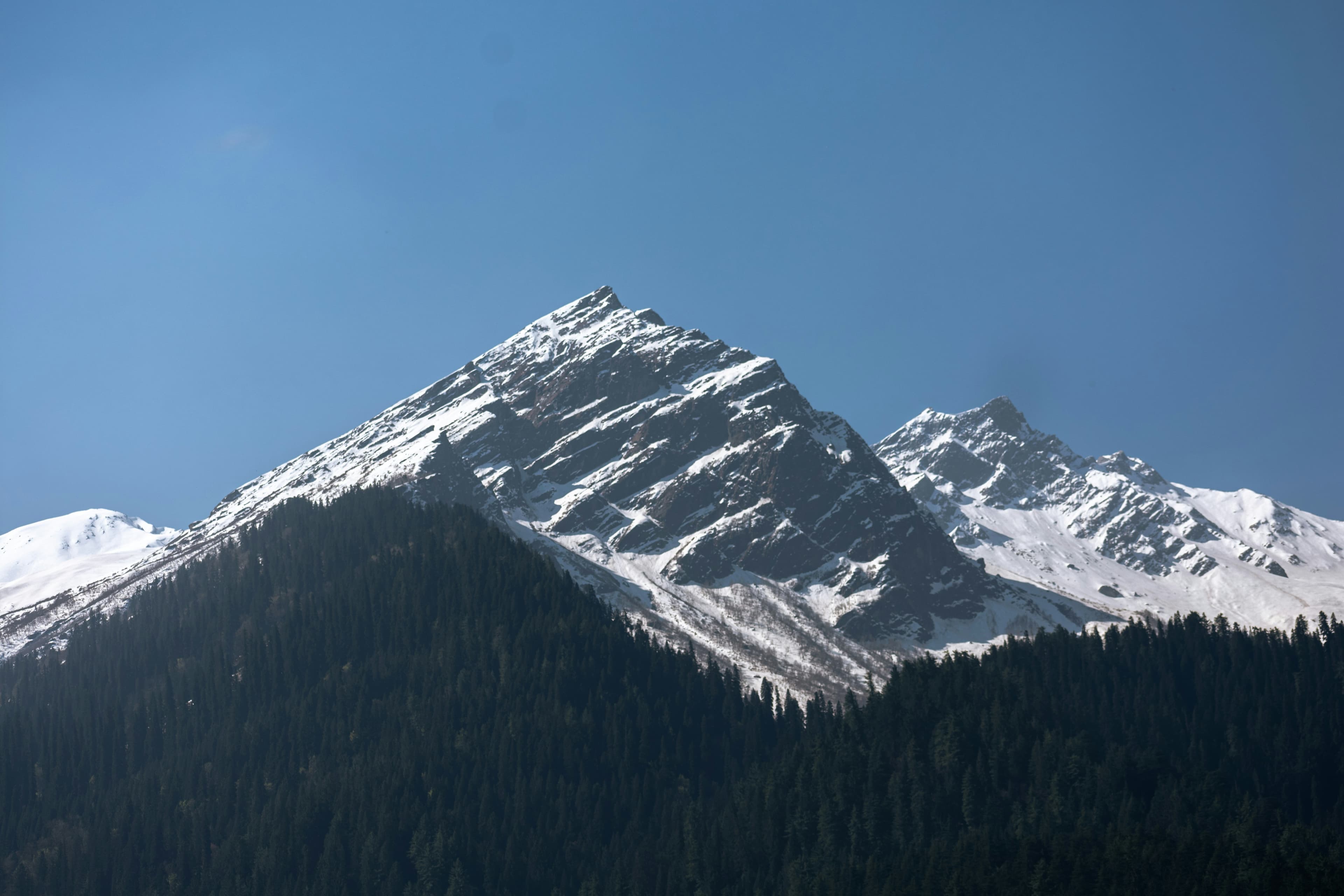
At 3,978 meters, Rohtang Pass has for centuries been the principal gateway linking the Kullu valley with Lahaul-Spiti, and its name is popularly derived from Tibetan/local terms meaning 'pile of corpses,' a grim reference to travelers who died attempting the crossing in sudden blizzards. It sat on an ancient trade corridor used by traders and pilgrims moving between the Indian plains and Central Asia long before it carried a motorable road. The pass's heavy seasonal traffic and fragile alpine ecology led to Indian Supreme Court-mandated visitor permit limits in the 2010s, and its role as the only road link to Lahaul was finally reduced in 2020 by the construction of the Atal Tunnel beneath it.