CITY GUIDE
Ashram stays from ₹400–800/night with meals included, thali food ₹100–150, rafting from ₹600 for the short Brahmapuri stretch — one of the cheapest adventure-tourism towns in India.
Town itself is safe day and night, but unlicensed rafting operators and unmarked river currents cause real injuries/deaths most years — safety depends entirely on which operator you pick.
Compact core is walkable, but the town splits across the river with only pedestrian bridges, and Jio/Airtel signal drops out past Laxman Jhula and on trek routes.
Entirely vegetarian, alcohol-free town (dry zone) — strong on ashram thalis, German Bakery-style cafes in Tapovan, and Israeli/continental cafes, but no meat, egg, or liquor anywhere in the municipal limits.
Old Town ghats and morning aartis remain genuine; Tapovan's main strip has become a dense cluster of identical-menu cafes, tattoo parlors, and 200-hour 'certified' yoga schools chasing Instagram tourists.
Gentle rafting stretches and waterfalls work for kids 8+, but steep ghat steps, monkey aggression near temples, and crowded bridges make it harder with toddlers or strollers.
The hillside above Laxman Jhula, dense with hostels, rooftop cafes, tattoo studios, and short-course yoga schools. Loud, social, and the most 'touristy' part of town — good for meeting other travelers, weakest for anyone wanting a quiet ashram experience.
A car-free spiritual township on the eastern bank between the two jhulas — home to Parmarth Niketan, Geeta Bhawan, and a dozen smaller ashrams, plus the evening Ganga Aarti crowds. Quieter and more devotional in feel than Tapovan, but food options shut early and everything is vegetarian, no-onion-garlic in places.
Between Rishikesh town and Laxman Jhula, a stretch of mid-range hotels, resorts, and rafting-company offices along the highway. Less atmosphere than Swarg Ashram, but more comfortable rooms and easier road access if you're not committed to ashram-style stays.
 WORTH IT
The original 1929 suspension bridge deck has been closed for structural safety since 2019 — you can still walk the newer parallel pedestrian bridge and photograph the old one, but don't expect to cross the historic structure itself.
WORTH ITBusier and more functional than Laxman Jhula — it's the main pedestrian link to Swarg Ashram and Parmarth Niketan, so expect cattle, monkeys, and hawkers on the crossing itself.
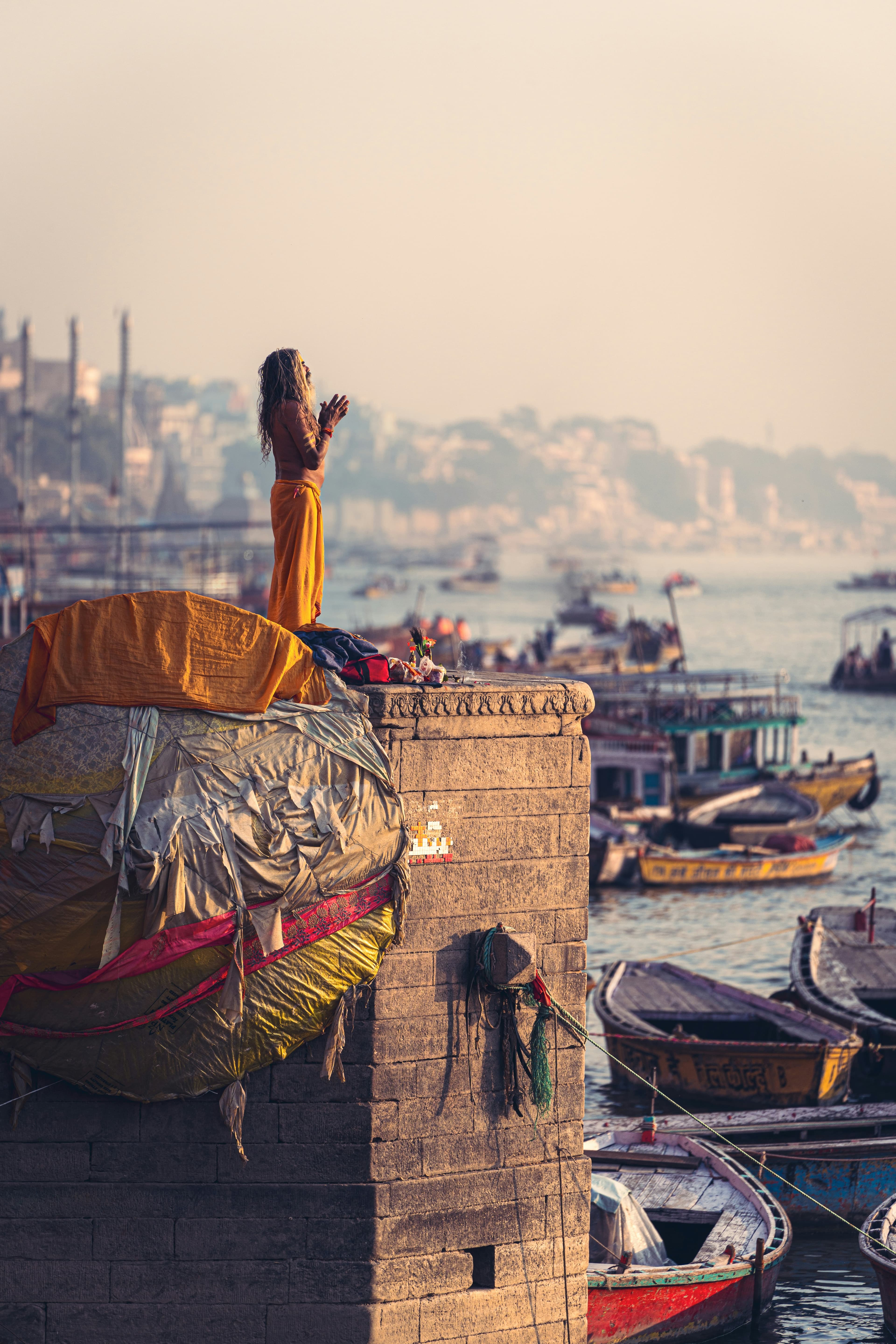
WORTH ITThe main public ghat and Rishikesh's largest evening aarti — arrive 30 min early for a riverside spot. Keep bags zipped and phones in front pockets; it's the most crowded single gathering point in town at dusk.
 WORTH IT
Larger, more choreographed, and more photogenic than Triveni Ghat's aarti, with resident students chanting — but donation baskets circulate aggressively during the ceremony; a firm 'no' works fine, no obligation to give.
WORTH ITThe Maharishi Mahesh Yogi ashram where the Beatles wrote most of the White Album in 1968 — abandoned meditation huts are now covered in street art. Foreigner pricing is steep (6x Indian rate) and inconsistently enforced at the gate, so confirm before paying. Keep your entry ticket; it must be surrendered on exit.
 WORTH IT
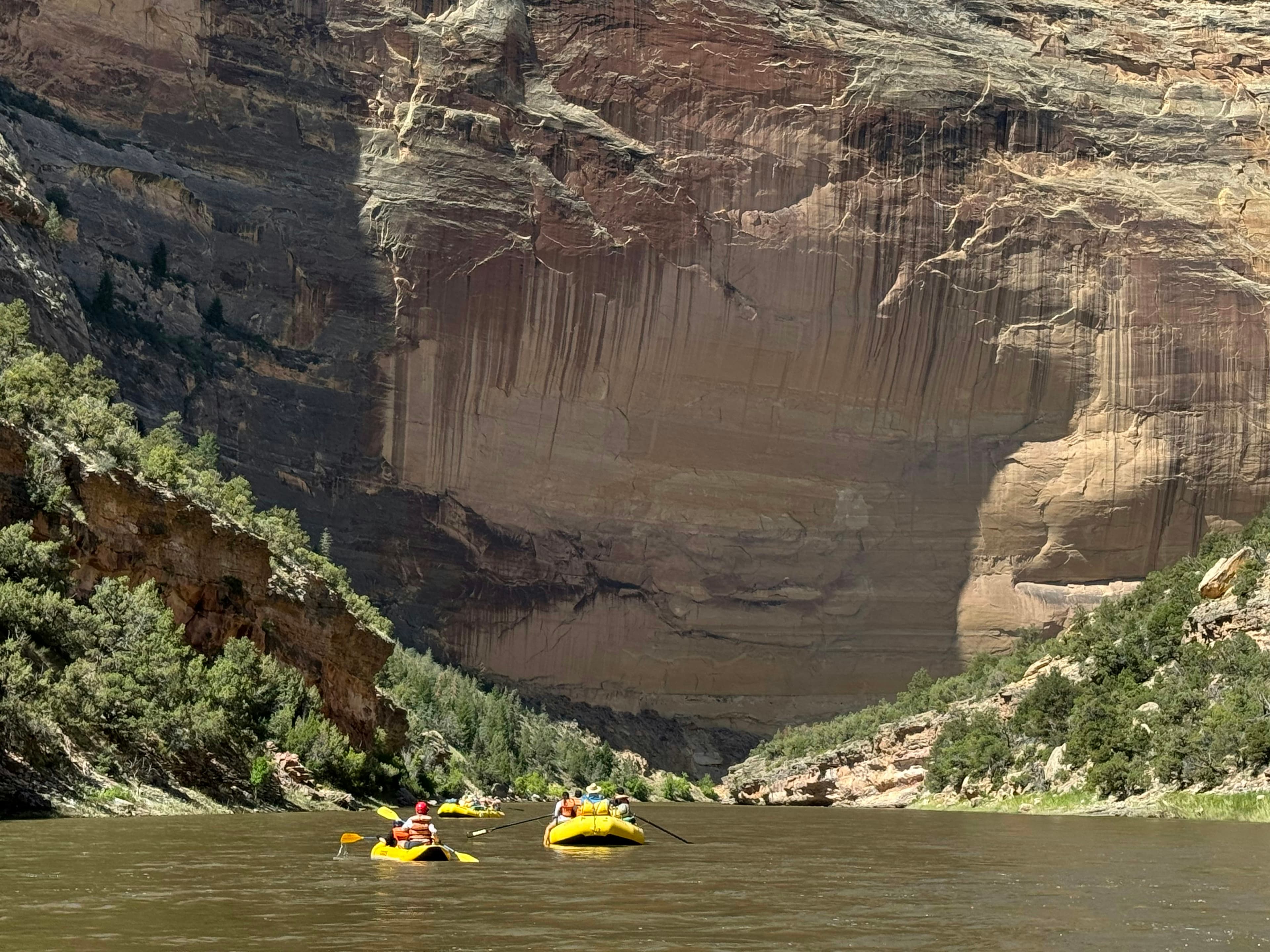
The standard Grade III/III+ run with rapids like Roller Coaster and Golf Course. Only book operators licensed by the Uttarakhand Tourism Development Board — unlicensed rafts (identifiable by no rescue kayaker following, no pre-trip safety briefing, cracked helmets, or more than 8 people per raft) carry a ₹50,000 fine for the operator and are where nearly all rafting deaths happen.
SITUATIONALThe short beginner stretch — Grade I/II, more float than thrill. Fine for young kids or first-timers, but if you already have any rafting experience this run will feel like a waste of the trip; go straight to Shivpuri instead.
WORTH ITIndia's first bungee jump platform at 83m, run by New Zealand-trained jump masters with a long safety record. Age 12–45 and weight 40–110kg only — bring ID, they check. Free shuttle from Tapovan is included if you pre-book online, which is also cheaper than walk-up rates.
SITUATIONALThe forest trek from Ram Jhula is 12–14km one-way and takes 4–5 hrs up, which is a serious half-day commitment most visitors underestimate — if you just want the Shiva temple and legend of Samudra Manthan, drive the 32km road route instead and save the trek for when you actually want the hike.
WORTH IT28km and a 1,650m elevation gain gets you a genuine Himalayan panorama (Gangotri, Chaukhamba, Swargarohini on clear days) that most Rishikesh visitors never see because it requires leaving before dawn — book a shared sunrise taxi the night before, they fill up in peak season.
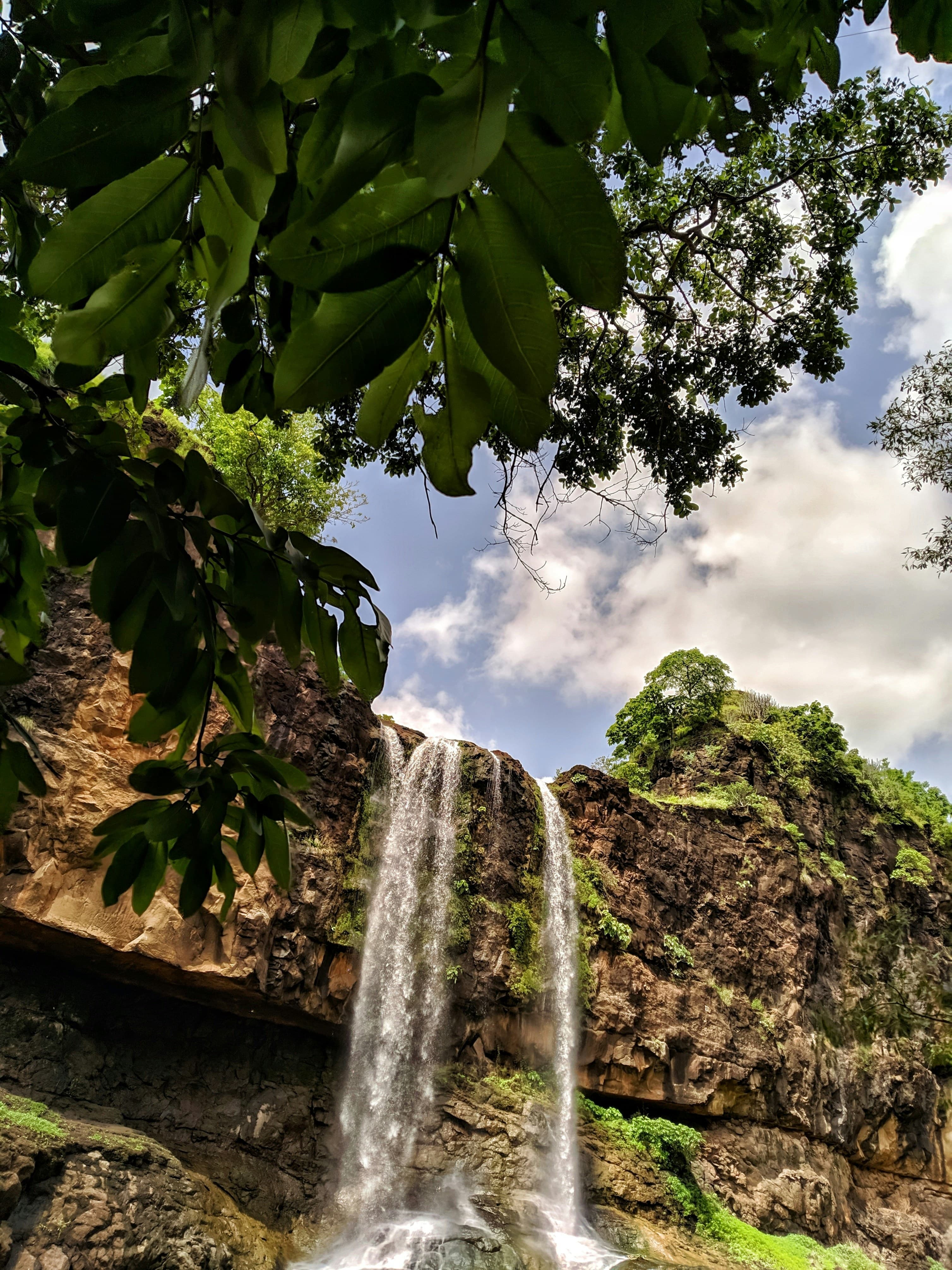 WORTH IT
Easy 3km trek from near Laxman Jhula to a two-tier waterfall with swimmable pools. Gets genuinely packed by 11 AM in peak season (Apr–Jun) with day-trippers from Haridwar; go before 9 AM for a quiet pool.
SITUATIONALA steeper, less-crowded alternative to Neer Garh, 1.5km through Rajaji forest — worth it if you've already done Neer Garh and want a quieter version, skippable if time is tight since the waterfall itself is smaller.
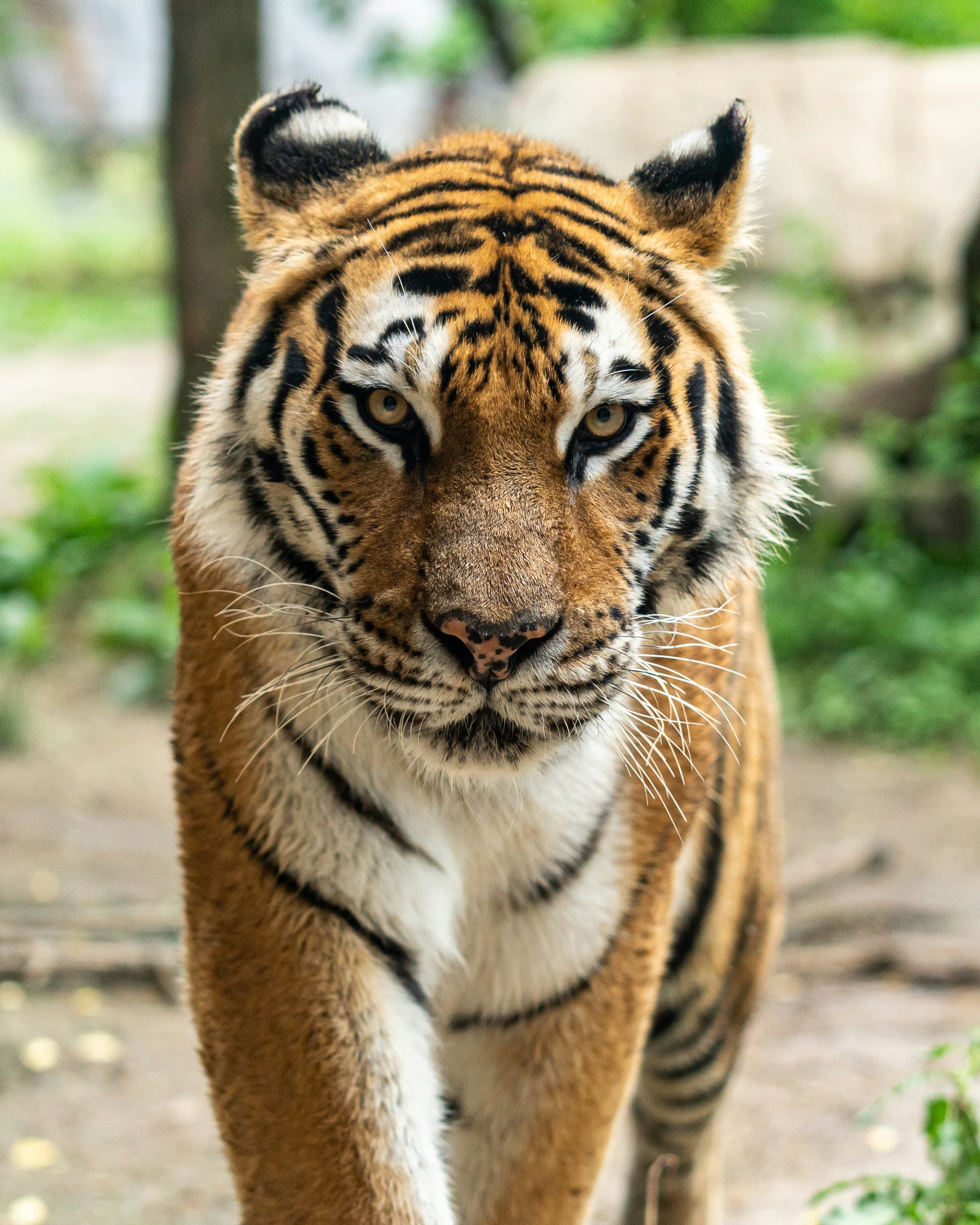 SITUATIONAL
20km from Rishikesh, best zone in the park for elephant and occasional tiger sightings, but book online 24–48 hrs ahead in winter — walk-up slots at Chilla Gate routinely sell out. Sightings are not guaranteed; treat it as a forest drive, not a tiger guarantee.
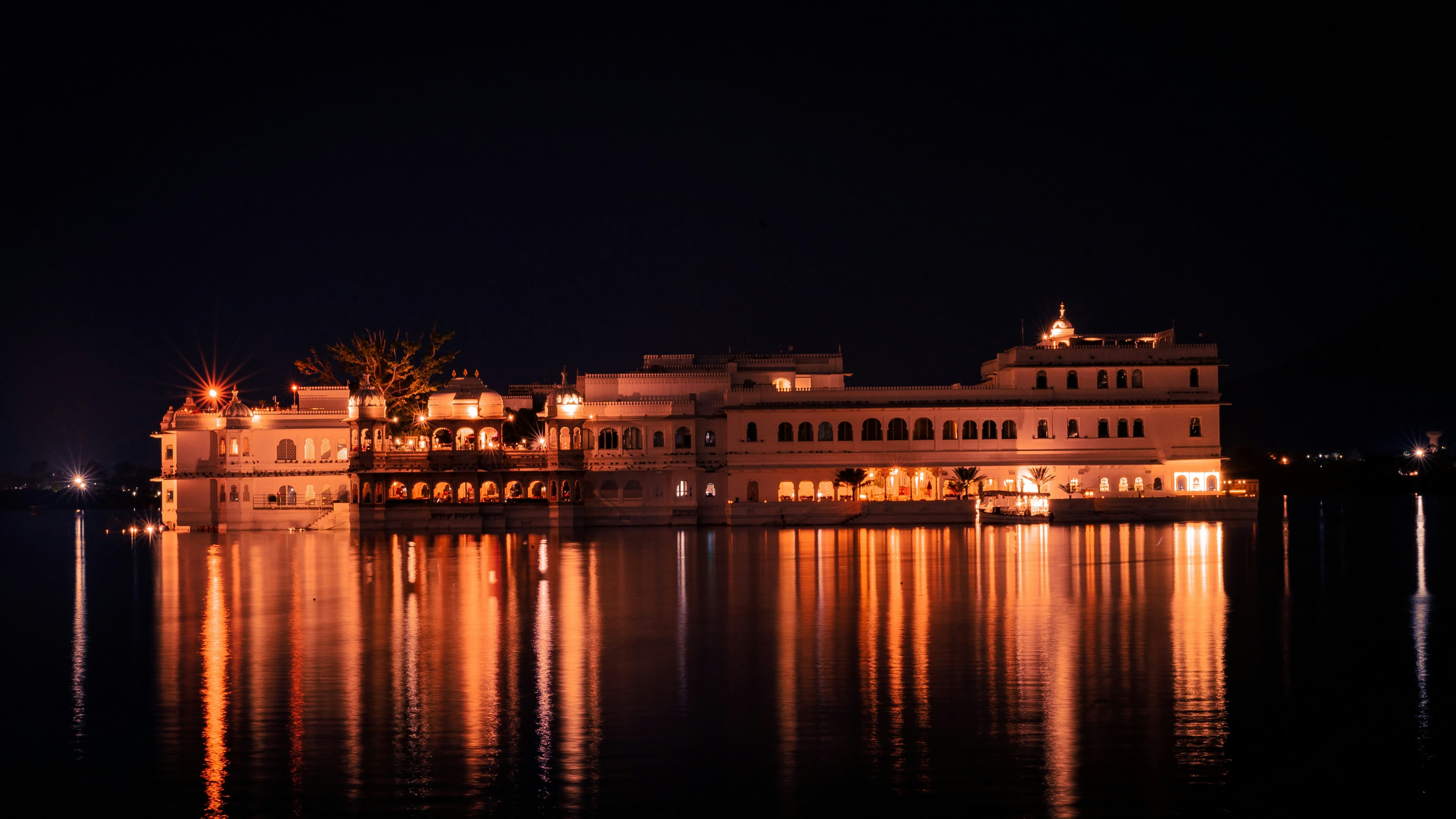 WORTH IT
Where the Alaknanda and Bhagirathi rivers visibly merge to form the Ganga proper — the turquoise-vs-slate color contrast at the sangam is more striking in person than most photos suggest. Shared buses from Rishikesh ISBT run ₹100–150 one-way; a private cab round trip runs ₹2,500–3,500.
WORTH ITOne of the oldest and most low-key ashrams on the Ganga, founded 1936 — no hard sell, no certificate-course upsell, just a working ashram you can walk through respectfully. A useful contrast to the commercial yoga-school strip in Tapovan.
SKIPMany of the heavily-SEO'd 'Top 10 Yoga Schools' lists are paid placements, not reviews. Multiple travelers report schools not actually registered with Yoga Alliance despite advertising 'certified' courses, upselling longer courses mid-program, and treating the 200-hour cert as a volume business (50–100 students/month) rather than real instruction. Verify Yoga Alliance registration directly on yogaalliance.org before paying, not on the school's own site.
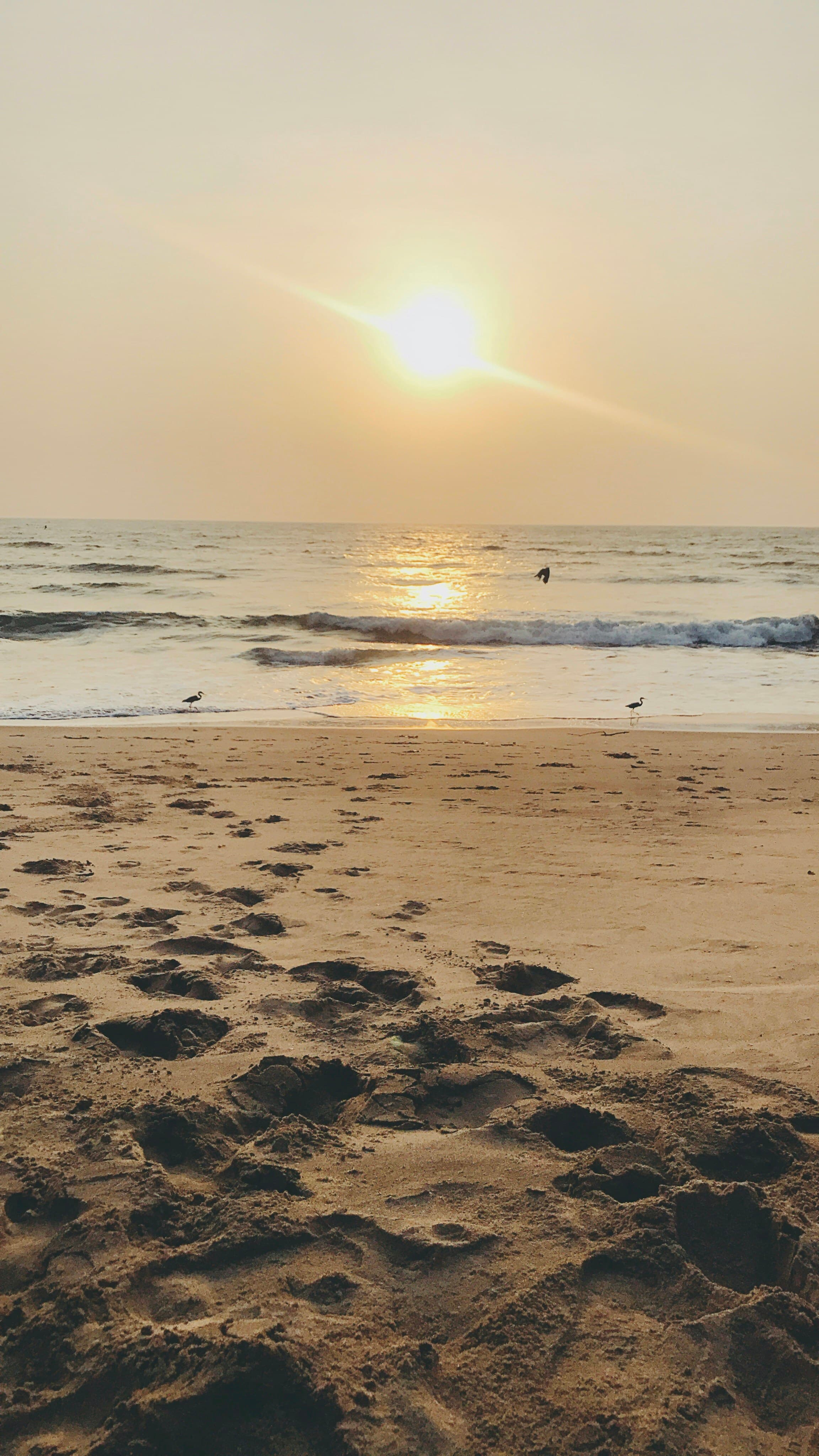 SKIP
SKIPThe National Green Tribunal banned unlicensed river-beach camps years ago over Ganga waste disposal, and the district has periodically bulldozed illegal setups in Shivpuri since. A few NGT-compliant camps still operate legally — ask to see the camp's NGT clearance certificate before booking, and never book a beach camp during monsoon regardless of licensing, since flash floods on this stretch are a real risk.
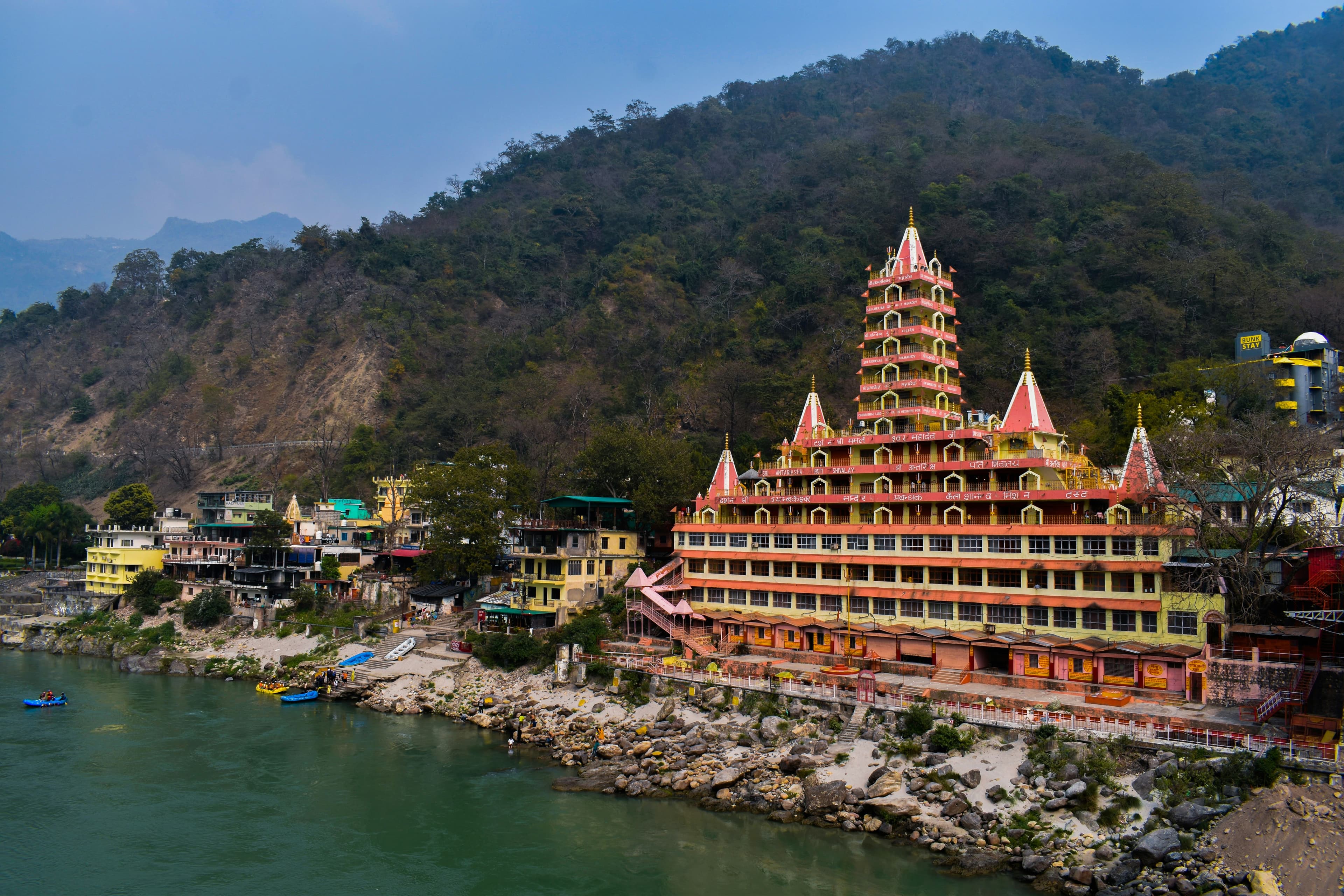
SITUATIONALThe tall multi-tier temple visible from Laxman Jhula in most postcard photos — striking to look at from outside, but the interior floors are mostly small shrine rooms with little to see; treat it as a 10-minute photo stop rather than a destination.
WORTH ITHaridwar's aarti is larger and more crowded than either of Rishikesh's — worth doing once for comparison, but go on a weekday; weekend crowds during Kanwar season (Jul–Aug, overlapping monsoon) turn the ghat into a crush that isn't pleasant with kids or anyone uncomfortable in tight crowds.
SITUATIONALFine as an add-on if you're already at an adventure park for bungee or giant swing, but as a standalone activity it's overpriced for the actual ride time (under 2 minutes) — bundle it with another activity rather than booking solo.
WORTH ITThe longest and most technical commercial run, including the Grade IV 'The Wall' rapid — this is not a first-timer's raft trip. Confirm your operator runs safety kayaks on this stretch specifically, since Kaudiyala's remoteness makes rescue slower if something goes wrong.
WORTH ITGood for mala beads, singing bowls, and yoga wear at fair prices if you bargain — but 'silver' jewelry and 'authentic rudraksha' sold by street vendors near the ghats are frequently fake; buy rudraksha only from established shops that provide a receipt.
SITUATIONALA genuinely quiet ancient meditation cave 20km upstream, associated with sage Vashishta — worth it if you want silence away from Tapovan's noise, skippable if you're short on time since the site itself is just the cave and a small ashram.
SITUATIONALMarketed hard to walk-in tourists along the Tapovan main road with barkers quoting inflated 'discount' prices — the actual government-listed rates are lower; check the operator's official price board rather than accepting the first quoted number.
WORTH ITThe cafe strip above Laxman Jhula genuinely delivers on river views for the price of a coffee — but menus are nearly identical shop to shop (banana pancake, Israeli shakshuka, Italian pasta) and quality varies more with kitchen turnover than branding, so don't assume the busiest-looking cafe is the best one.
UTDB-licensed whitewater rafting trips across all Rishikesh stretches, from beginner Marine Drive floats to the Grade IV Kaudiyala run.
View listing →Bungee, giant swing, and flying fox packages in Tapovan with bundled pricing across multiple activities.
View listing →Guided treks to Neelkanth Mahadev and Kunjapuri sunrise, plus day-trip transport to Devprayag and Rajaji National Park.
View listing →Yoga Alliance-registered drop-in classes and short retreats for travelers who want verified instruction without committing to a full 200-hour course.
View listing →